Learn / Price and market basics
Bullion coin comparison
The Gold Eagle, Maple Leaf, Krugerrand, Britannia, Philharmonic, Kangaroo, Panda and Buffalo compared side by side, with purity, weight, issuer and what makes each one different.
This page is general education, not financial or investment advice. Premiums, taxes and availability vary. Talk to a licensed professional before buying.
What a bullion coin is
A bullion coin is a coin made by a government mint mainly for its precious metal content rather than for spending. Bullion coins carry a face value in their country's currency, but that value is symbolic and far below the value of the gold. Their price follows the spot price plus a premium.
Government backing of weight and purity makes popular bullion coins easy to recognize and resell around the world.
The major coins compared
| Coin | Issuer | First issued | Purity | Notes |
|---|---|---|---|---|
| Krugerrand | South Africa (South African Mint) | 1967 | 22K (91.67%) | The first modern gold bullion coin; copper alloy gives an orange tint |
| American Gold Eagle | United States Mint | 1986 | 22K (91.67%) | Alloyed with silver and copper; very widely traded |
| American Gold Buffalo | United States Mint | 2006 | 24K (99.99%) | The first US 24K gold coin for investors |
| Gold Maple Leaf | Royal Canadian Mint | 1979 | 24K (99.99%) | Known for its high purity and security features |
| Gold Britannia | The Royal Mint (UK) | 1987 | 24K (99.99%) since 2013 | Earlier issues were 22K |
| Vienna Philharmonic | Austrian Mint | 1989 | 24K (99.99%) | Popular in Europe; shows orchestral instruments |
| Gold Kangaroo (Nugget) | Perth Mint, Australia | 1986 | 24K (99.99%) | Design changes each year |
| Gold Panda | China | 1982 | 24K (99.9%) | Design changes each year; sizes in grams since 2016 |
| Gold Libertad | Mexico | 1981 | 24K (99.9%) | Lower mintages than many others |
22K versus 24K coins
A common question is whether 22K coins contain less gold. They do not, in terms of gold content: a 1-ounce Krugerrand or Gold Eagle contains 1 troy ounce of pure gold plus extra alloy metal, so the coin is slightly heavier than a 24K coin. The alloy makes the coin harder and more scratch-resistant. 24K coins are softer and can show marks more easily.
| 22K coins | 24K coins | |
|---|---|---|
| Gold content (1 oz coin) | 1 troy ounce | 1 troy ounce |
| Total weight | About 33.9 g | About 31.1 g |
| Durability | Harder, resists scratches | Softer, marks more easily |
| Color | Slightly orange or reddish | Bright yellow |
Sizes
Most bullion coins come in 1 ounce plus fractional sizes such as 1/2, 1/4 and 1/10 ounce. Fractional coins usually carry higher premiums per ounce. See bid, ask and premiums.
Proof and collector versions
Mints also sell proof versions with mirror finishes and limited mintages. These are aimed at collectors and cost much more than their gold value. If your goal is gold content, standard bullion versions are usually cheaper per ounce.
Security features
Modern bullion coins increasingly include anti-counterfeiting features, such as micro-engraved marks, radial lines that diffract light and laser-engraved privy marks. These help, but counterfeits still exist. See how to spot fake gold.
Choosing between coins
- Recognition: coins widely known in your region are easiest to sell.
- Premium: compare the price per ounce of gold.
- Tax treatment: some countries treat certain coins differently. In the UK, for example, Britannias and sovereigns are legal tender coins exempt from capital gains tax for individuals.
- Durability: 22K coins resist wear better if handled.
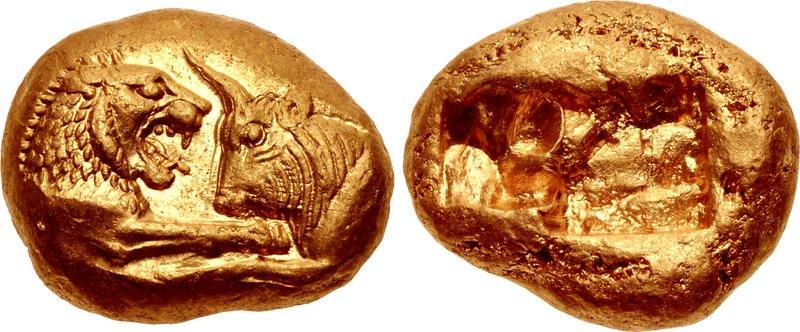
See also record coins and bars and the first gold coins.