Everything about gold, told straight
Where gold comes from (hint: colliding stars), how it is mined and refined, what karats and hallmarks really mean, the gold rushes that built cities, and how the price works. Plain-English guides with real numbers, no hype and no sales pitch.
Gold basics
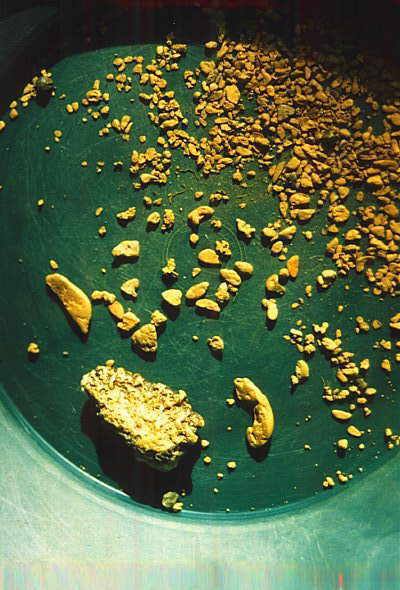
What gold is, why it never rusts, where it came from in the universe and how it ended up in the ground.
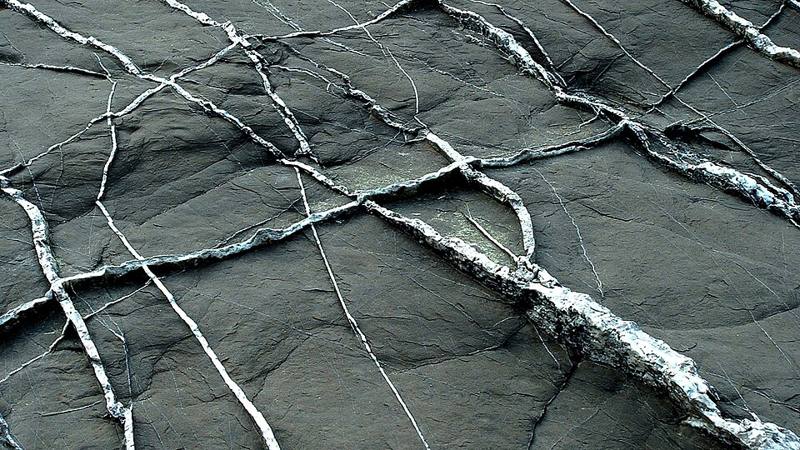 BasicsHow gold deposits form in the EarthGold is spread thinly through the crust. Mineable deposits form where hot fluids, volcanoes or rivers concentrate it, in veins, ancient conglomerates and stream gravels.
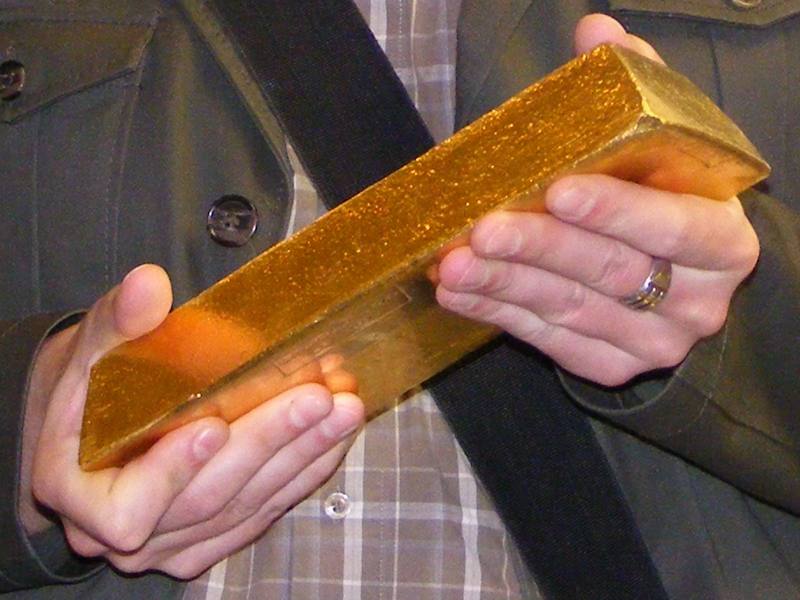 BasicsHow much gold exists?All the gold ever mined is a little over 200,000 tonnes, about a 22-meter cube. Here is where it sits today and how much more is still in the ground.
 BasicsThe properties of goldGold is dense, soft, extremely malleable, an excellent conductor and almost perfectly corrosion resistant. These properties explain nearly every way people use it.BasicsWhat is gold?Gold is chemical element 79, a dense, soft, yellow metal that stays shiny for thousands of years. Here is what it is made of and why people value it.
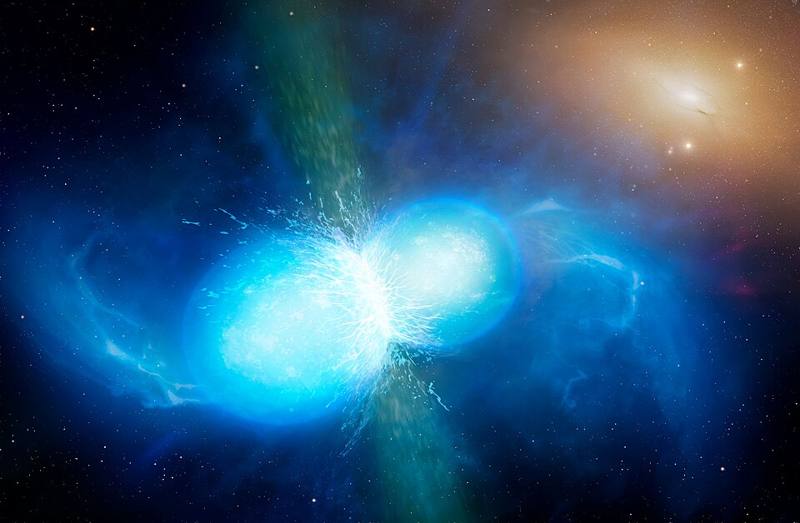 BasicsWhere gold comes from, from stars to your ringGold was not made on Earth. It was forged in violent cosmic events such as colliding neutron stars, then delivered to our planet and concentrated by geology.
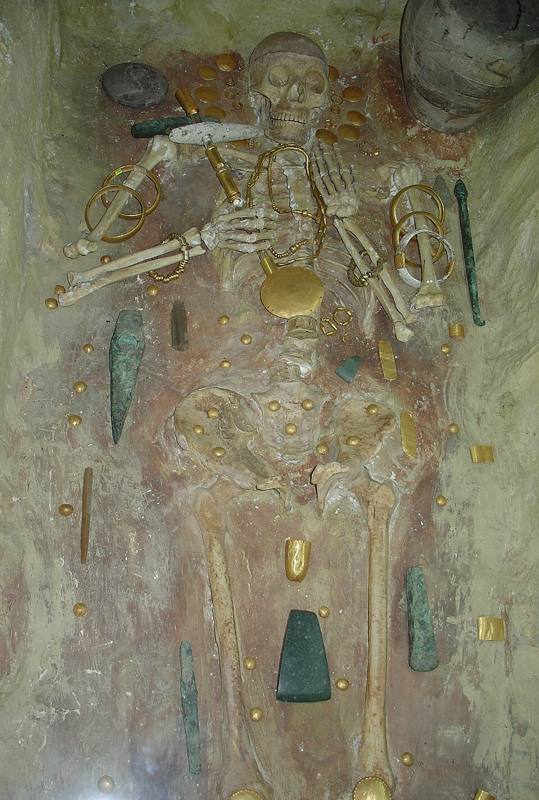 BasicsWhy gold does not rust or tarnishGold stays shiny because its atoms hold tightly to their electrons and refuse to bond with oxygen. Here is the chemistry, and what can still discolor gold jewelry.
Gold in history
From Egyptian goldsmiths and the first coins to the great gold rushes and the rise and fall of the gold standard.
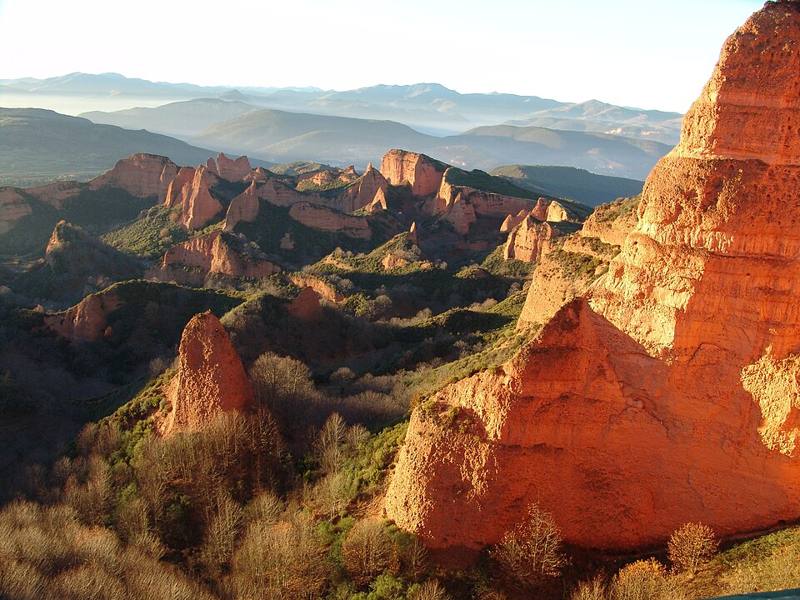 HistoryGold in the ancient worldFrom the 6,000-year-old Varna gold to Roman mines that reshaped mountains and the goldwork of the Americas, a tour of gold across early civilizations.
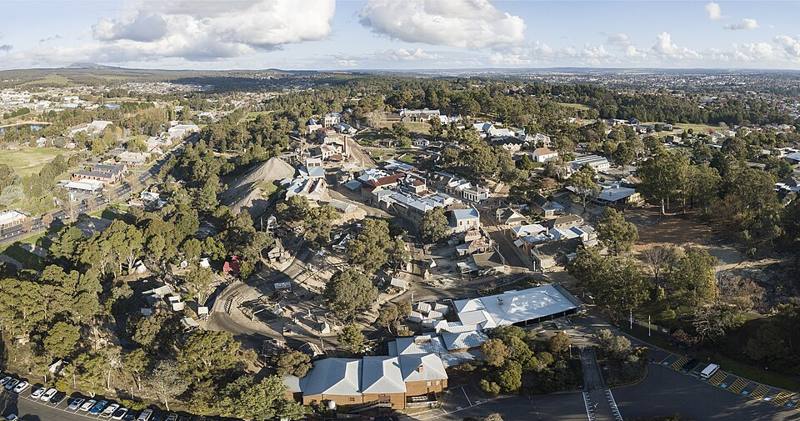 HistoryThe Australian gold rushesFrom 1851, gold finds in New South Wales and Victoria drew people from around the world, multiplied Victoria's population and produced the biggest nuggets ever found.
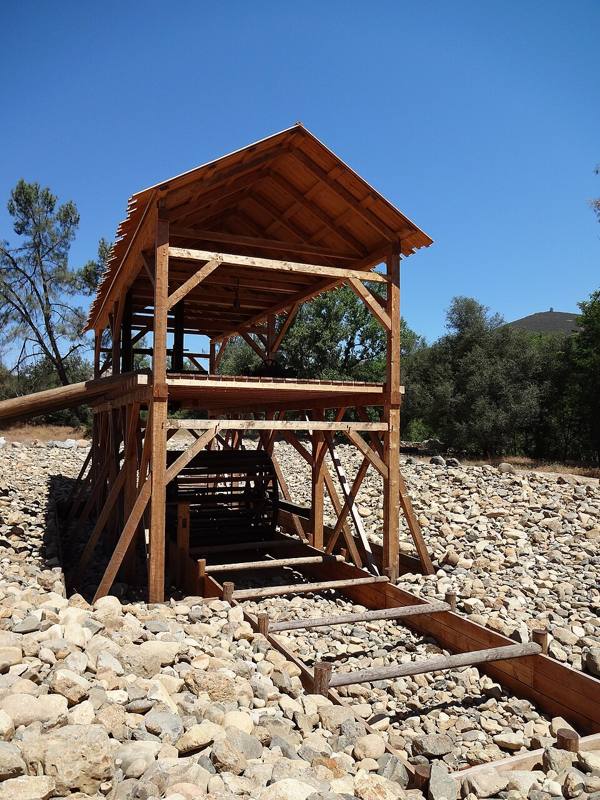 HistoryThe California gold rushA few flakes found at Sutter's Mill in January 1848 set off one of the largest migrations in history, created the forty-niners and changed California forever.HistoryThe Georgia gold rush and the Dahlonega MintTwenty years before California, thousands of miners crowded into the hills of north Georgia. Here is how the Georgia gold rush began around 1829, why the town of Dahlonega got its own US branch mint, and what is left of it today.
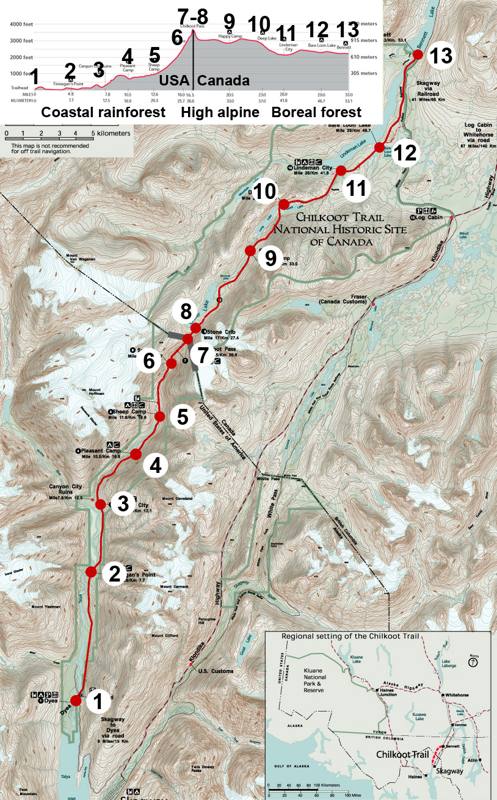 HistoryThe Klondike gold rushIn 1896 gold was found on a creek in Canada's Yukon. Tens of thousands set out for Dawson City, hauling a ton of supplies over icy mountain passes.
Mining and refining
How gold gets out of the ground and into a bar, from panning, placer and hard-rock mining, cyanide leaching, smelting, refining and assaying.
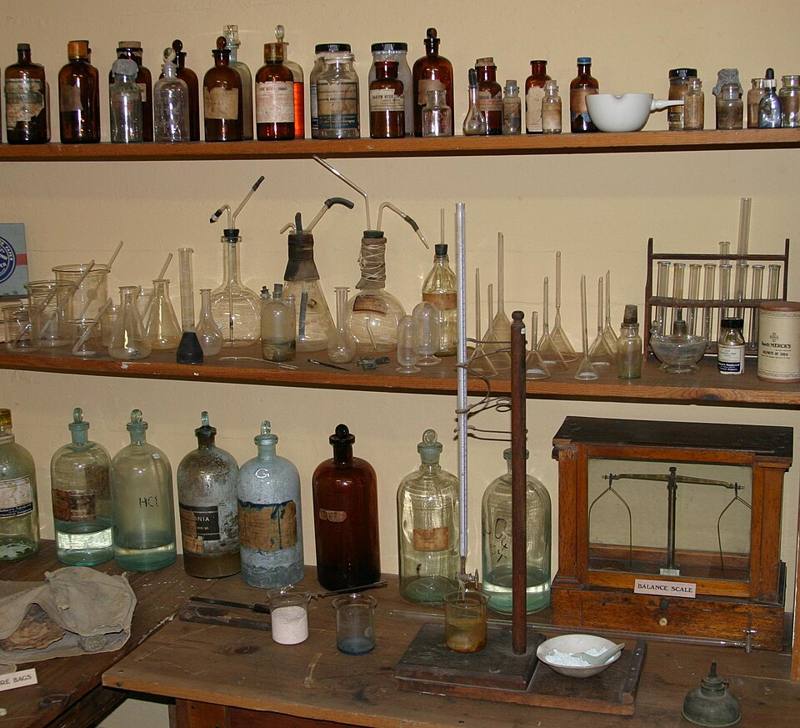 MiningAssaying, how gold purity is measuredAssaying means measuring exactly how much gold a sample contains. Fire assay is the classic reference method, alongside XRF, ICP and simple acid tests.
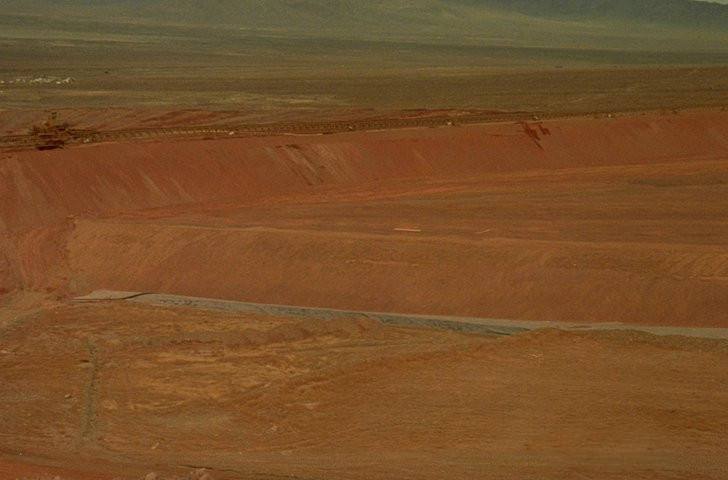 MiningCyanide leaching and heap leachingMost gold today is dissolved out of crushed rock with a weak cyanide solution, then recovered on activated carbon. Here is how tank and heap leaching work and how cyanide is managed.
 MiningGold panning and placer miningPlacer mining recovers loose gold from sand and gravel using water and gravity. Here is how a gold pan, sluice box and dredge work, and how to try panning responsibly.
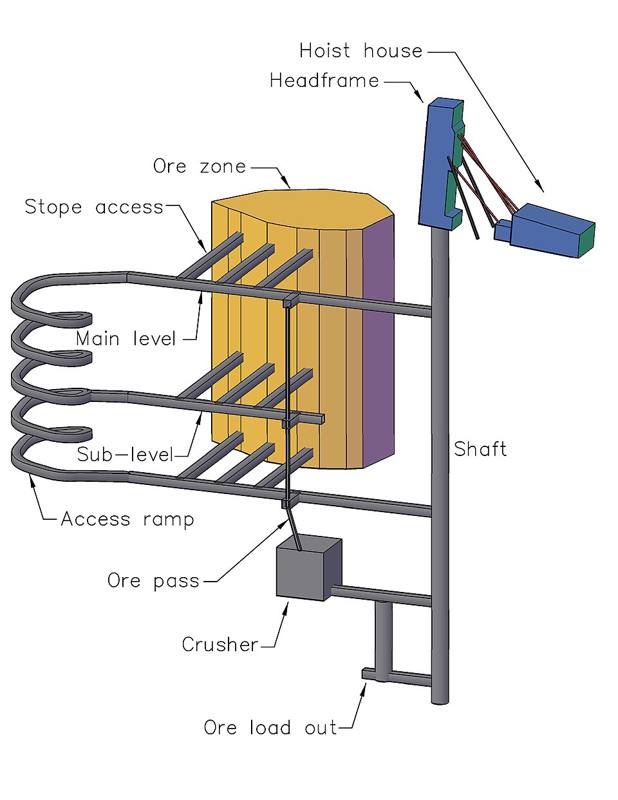 MiningHard-rock (underground) gold miningMost of the world's gold comes from solid rock. Underground mines reach it through shafts, ramps and tunnels, then drill, blast and haul ore to the surface for processing.
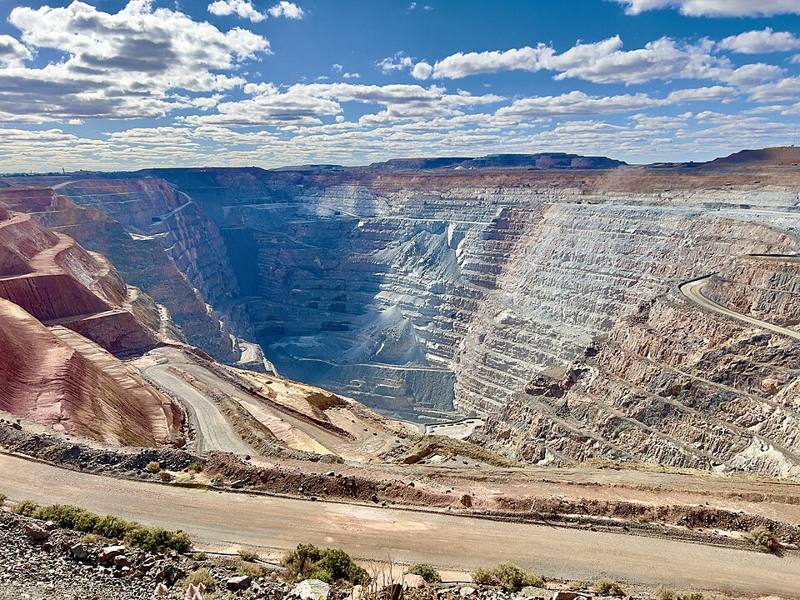 MiningOpen-pit gold miningOpen-pit mines dig huge stepped holes to reach large, low-grade gold deposits near the surface, moving millions of tonnes of rock to recover each tonne of gold.
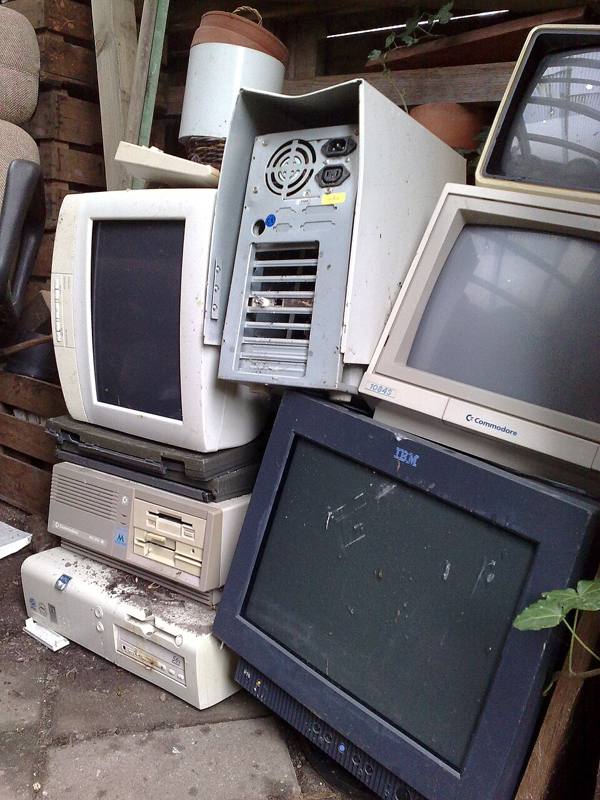 MiningRecycling gold, from old rings to circuit boardsGold can be melted and refined again and again without losing quality. Recycling supplies roughly a quarter or more of each year's gold, mostly from old jewelry.
Purity, karats and hallmarks
Karats, fineness numbers, hallmarks and alloys, so you know exactly what a stamp on gold means.
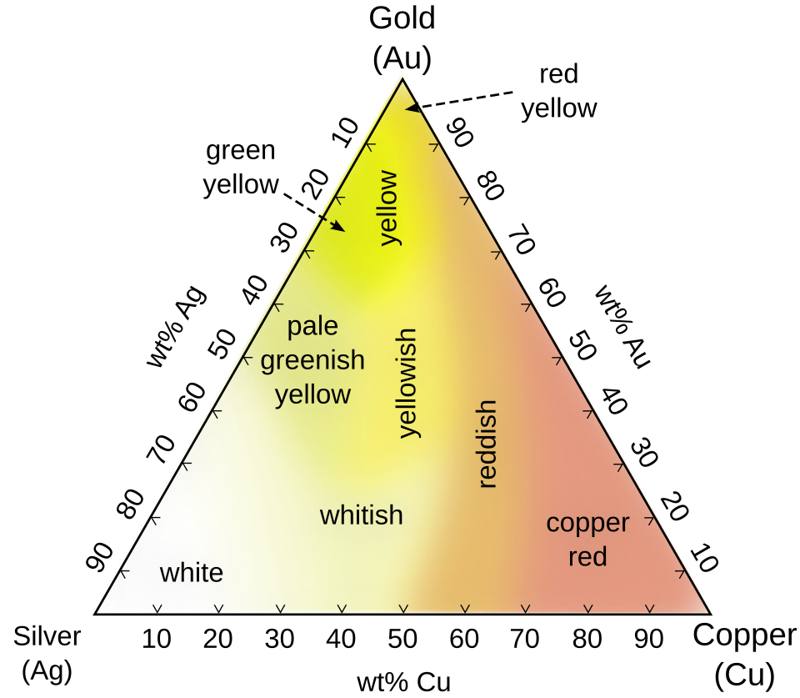 PurityGold colors and alloys, white, rose, green and moreGold comes in many colors because of the metals mixed into it. Here is what makes white, rose, green and other colored golds, and how each wears over time.
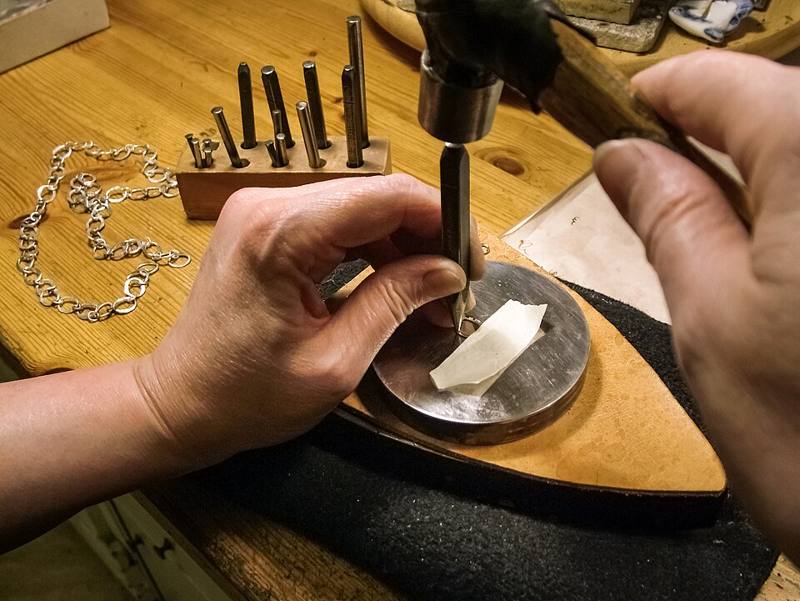 PurityGold hallmarks, how to read the stampsHallmarks are official marks that guarantee a precious metal's purity. Here is how to read UK and international hallmarks, US quality marks and the stamps that mean plated, not solid.PurityGold purity marks around the worldThe same gold can be stamped 22K in one country, 916 in another and carry a full official hallmark in a third. Here is how to read the common marks, 916, 875, 750, 585 and 375, and how marking rules differ between regions.PurityKarats explained, with a full karat tableKarats tell you how much of an item is pure gold, in 24ths. Here is a complete table from 24K down to 8K, with percentages, stamps and what each is used for.PurityReading gold bar stamps and assay cardsEvery reputable gold bar carries a set of marks that tell you who made it, how much it weighs, how pure it is and which bar it is. Here is how to read the stamp, what an assay card adds and what the Good Delivery standard means for large bars.
Famous finds and records
The biggest nuggets, the deepest mines, the heaviest coins and the most famous gold discoveries in history.
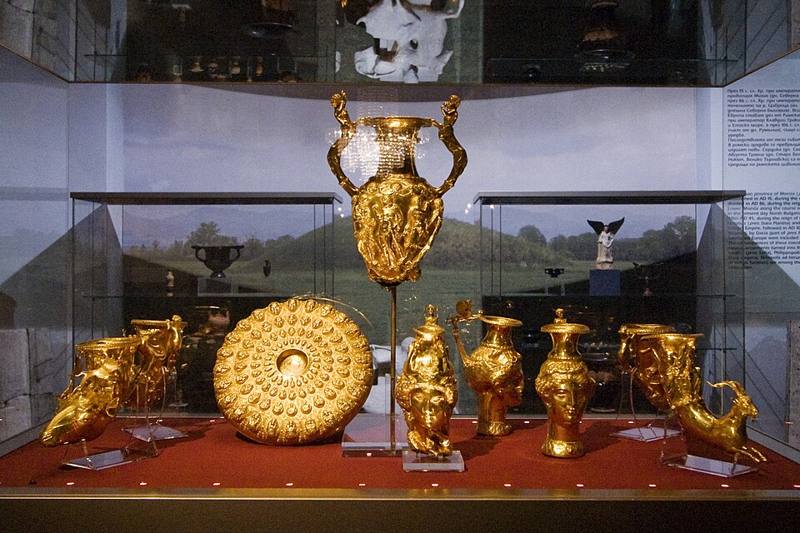 RecordFamous gold discoveries and treasuresFrom the Varna graves and Tutankhamun's tomb to the Ship of Gold and the hand-dug pit of Serra Pelada, the gold discoveries that made history.RecordRecord-breaking gold coins and barsA one-tonne coin, a 100-kilogram Maple Leaf, a 250-kilogram bar you can touch and the most expensive coin ever sold. The heavyweight records of gold.RecordThe deepest gold minesSouth Africa's gold mines reach around 4 kilometers below the surface, the deepest holes humans work in. How they got so deep, how miners cope with heat and pressure, and other deep mines around the world.
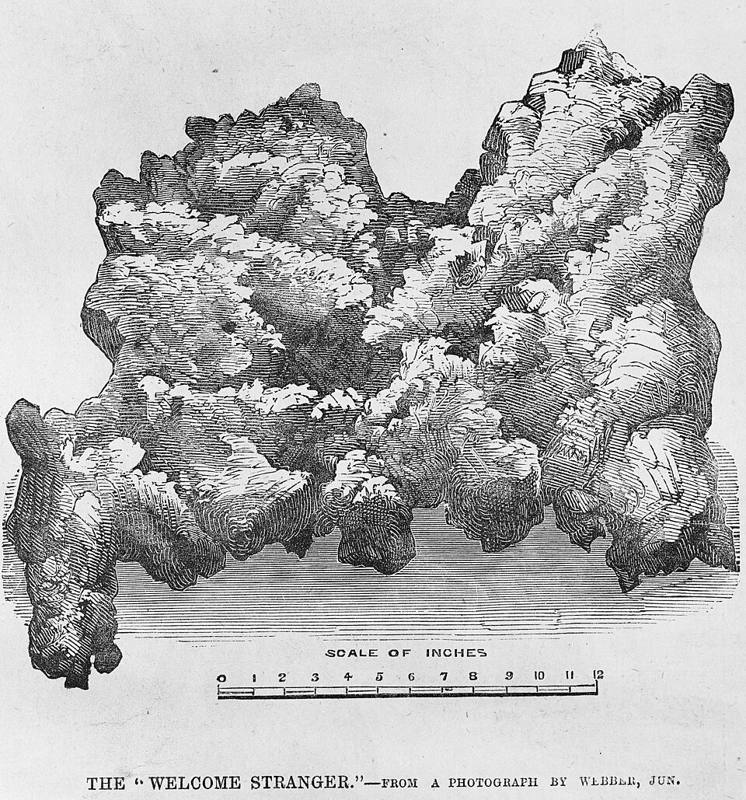 RecordThe largest gold nuggets ever foundThe Welcome Stranger, the Welcome nugget, the Hand of Faith and the Holtermann specimen. Meet the record-breaking lumps of gold and the people who found them.RecordTop gold-producing countriesChina, Russia, Australia, Canada and the United States lead world gold mine production. How the ranking has changed over time, how much gold is mined each year and where the numbers come from.
Gold at work
Gold in phones, space telescopes, medical tests, dentistry, jewelry, gilding and medals.
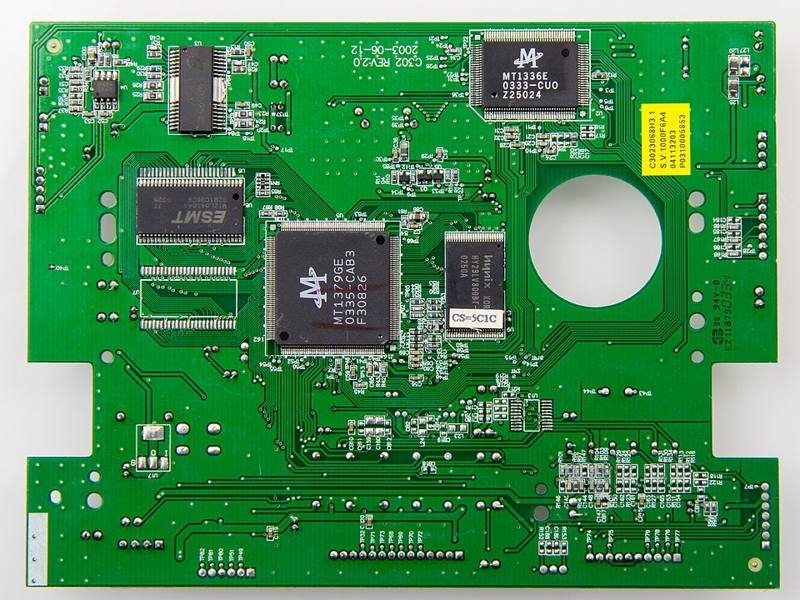 UsesGold in electronicsGold conducts well, never corrodes and can be drawn into ultra-thin wire, which is why it sits inside nearly every phone and computer. Here is where it is used, how much there is and how it is recovered.
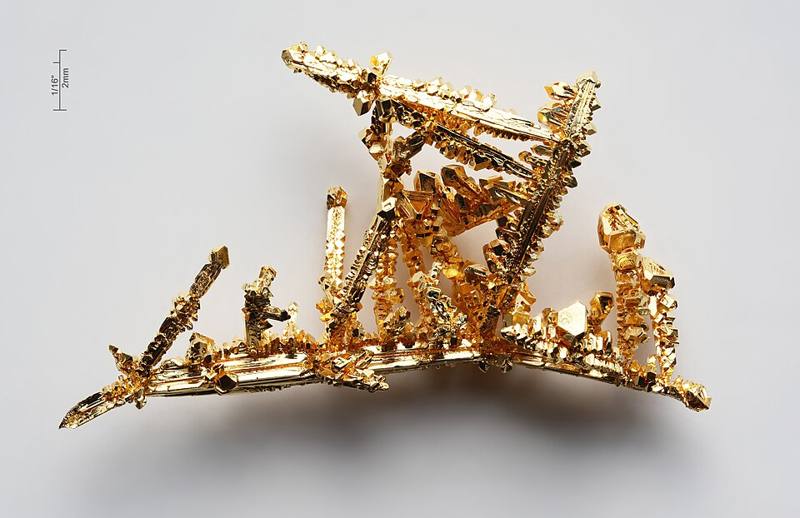 UsesGold in jewelry and cultureJewelry is the largest single use of gold. Learn why people have worn it for thousands of years, how tastes differ around the world and what to know about karats, colors and care.UsesGold in medicine and dentistryGold crowns, gold nanoparticles in rapid tests, gold compounds once used for arthritis and gold in medical devices. How a famously inert metal became useful in health care. General education only.
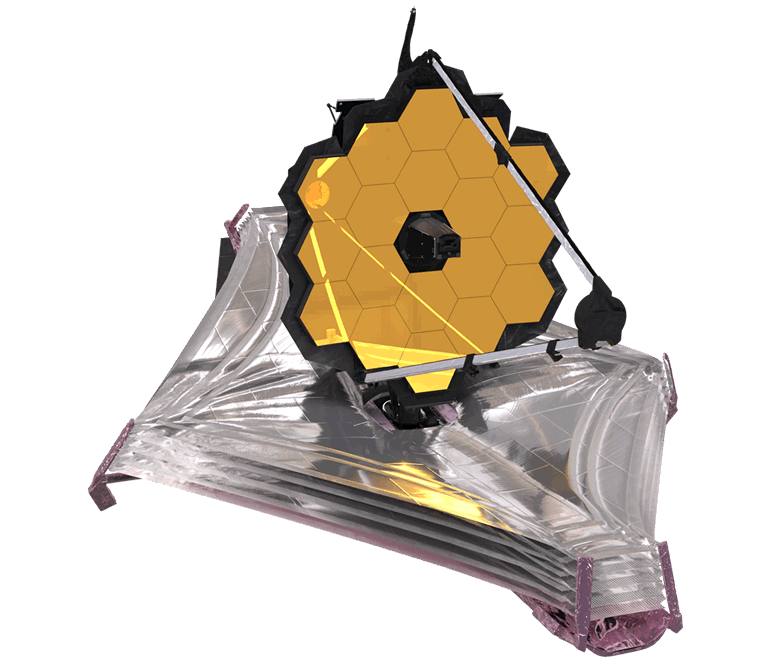 UsesGold in spaceThe James Webb Space Telescope's golden mirrors, gold-coated astronaut visors, the Voyager Golden Records and the shiny foil that is often not gold at all. How gold helps us explore space.UsesGold leaf and gildingGold can be hammered thinner than almost any other material. Learn how gold leaf is made, the main gilding methods, where you will see it and why edible gold is safe in small amounts.
Price and market basics
Spot price, troy ounces, bid and ask, premiums, what moves the price, bars versus coins versus funds, fakes and storage. Education only.
Reference
The A-Z gold glossary, a buying-safely checklist, frequently asked questions and common myths.
Watch on YouTube
One real gold fact a day, in under a minute.
Merch for people who know their karats
Tees and hoodies printed to order in the USA. Every order keeps these guides free.