Recycling gold, from old rings to circuit boards
Gold can be melted and refined again and again without losing quality. Recycling supplies roughly a quarter or more of each year's gold, mostly from old jewelry.
Gold never wears out
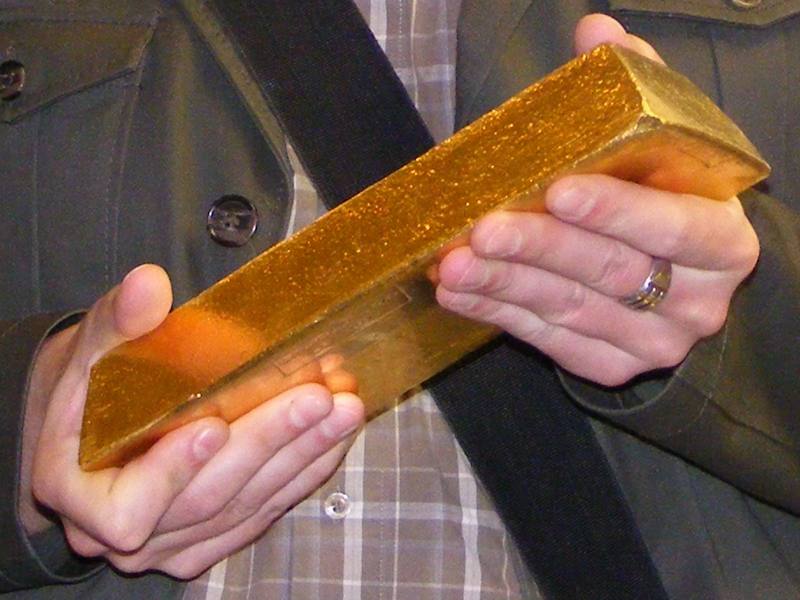
Because gold does not corrode, a gram of gold mined thousands of years ago can still be melted down and reused today. Refined to 99.99 percent, recycled gold is chemically identical to freshly mined gold. That is why most of the gold ever mined is still in use (see how much gold exists).
How much is recycled
Recycled gold supplies a large share of the market each year. In recent years, recycling has typically provided roughly 1,100 to 1,400 tonnes a year, compared with about 3,500 to 3,700 tonnes from mines. That makes recycling roughly a quarter of total supply in a typical year. The amount rises when the gold price climbs, because more people sell old jewelry, and it can spike during economic stress.
Where recycled gold comes from
| Source | Share of recycling | Notes |
|---|---|---|
| Old jewelry | The large majority | Broken chains, single earrings, unwanted rings |
| Bars and coins | Some | Remelted into new products |
| Dental gold | Small | Old crowns and bridges |
| Electronics (e-waste) | Small but growing | Circuit boards, connectors, chips |
| Industrial scrap | Small | Offcuts and sweepings from workshops |
How jewelry scrap is recycled
- Sorting and testing. Buyers test items by karat using acid tests or XRF analyzers.
- Melting. Scrap is melted into a bar, which is then assayed to measure exact gold content. See assaying.
- Refining. A refinery removes alloy metals by chlorine refining, electrolysis or chemical dissolution, producing high-purity gold. See smelting and refining.
- New products. The pure gold is cast into bars or grain, alloyed again into new jewelry, or used in industry.
Urban mining, gold in e-waste
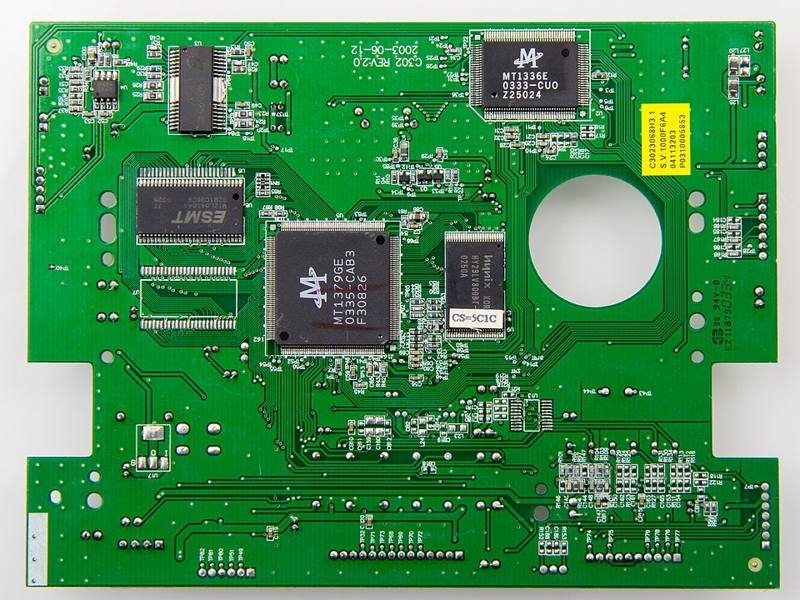
Electronics use small amounts of gold on connectors, chips and circuit boards (see gold in electronics). Per tonne, a pile of old circuit boards or phones can contain more gold than many gold ores, which is why recycling electronics is sometimes called urban mining.
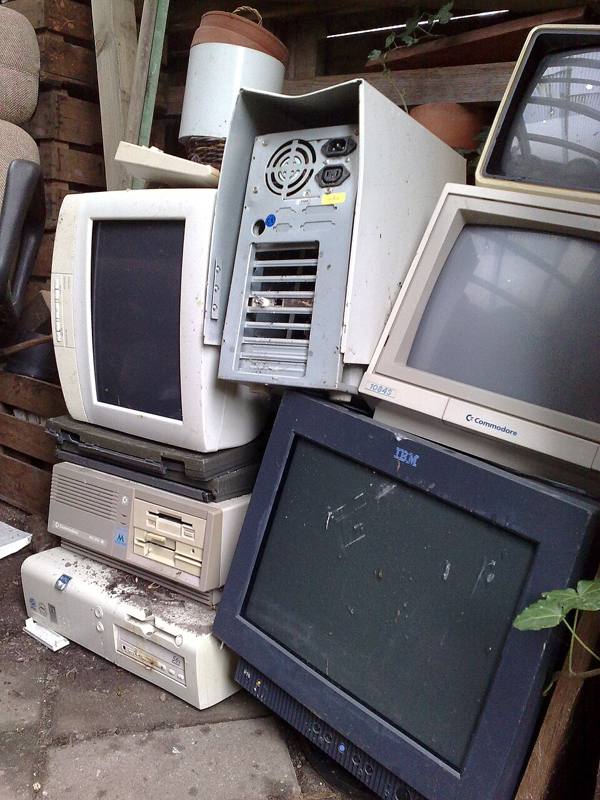
The challenge is that the gold is spread very thinly among plastics, copper, glass and other metals. Large specialized smelters can recover it efficiently along with copper, silver, palladium and other metals. However, a large share of global e-waste is still not formally collected or recycled, and informal recycling, often done by burning cables or soaking boards in acid, harms workers and the environment.
Do not try to extract gold from electronics at home. The acids and fumes involved are dangerous, and the amount of gold is tiny. Take old devices to a certified e-waste recycler.
Selling old gold
Many people sell old jewelry to a jeweler, pawn shop, coin dealer or mail-in buyer. Some general points, not financial advice:
- Know the karat and weight. Separate pieces by karat and weigh them in grams so you can estimate the gold content.
- Check the spot price on the day, so you know the raw metal value. See the spot price and the troy ounce.
- Expect a discount. Buyers pay below the full metal value to cover testing, refining and profit. Payouts vary widely, so comparing several buyers is common practice.
- Watch the scale. Reputable buyers weigh in front of you on a certified scale.
- Keep antique or designer pieces separate. Their value as jewelry may be far higher than their melt value.
This is general education, not financial advice. Prices, fees and local laws vary.
Environmental benefit
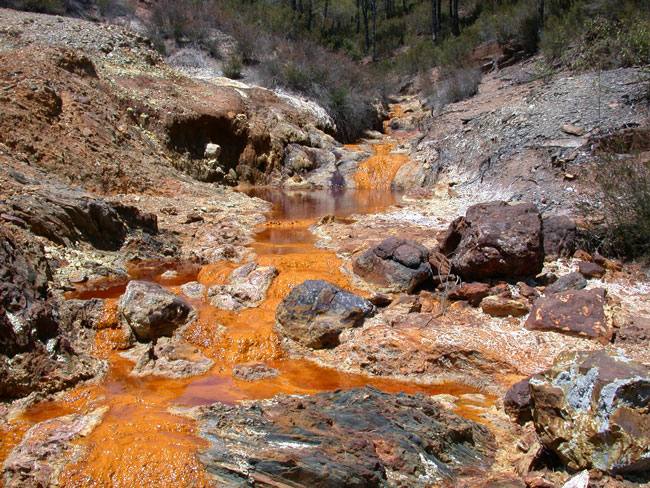
Recycling avoids the rock moving, chemicals, water and energy of new mining. Some jewelers now sell jewelry made entirely from recycled gold, which can reduce the footprint described in the environmental impact of gold mining. Supporting proper e-waste collection helps recover gold and keeps toxic materials out of landfills.