Learn / Gold basics
Gold basics
What gold is, why it never rusts, where it came from in the universe and how it ended up in the ground.
Gold is element 79, a soft yellow metal that does not tarnish, conducts electricity beautifully and can be hammered thinner than a soap bubble wall. Start here for the science behind the shine.
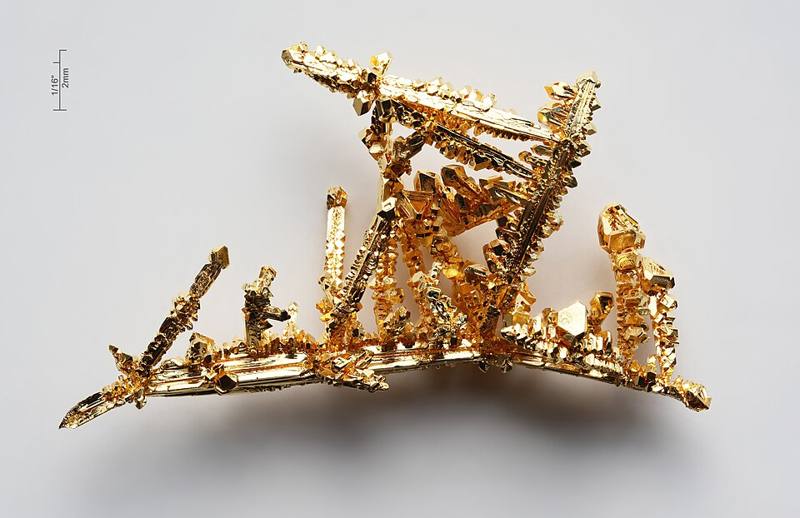
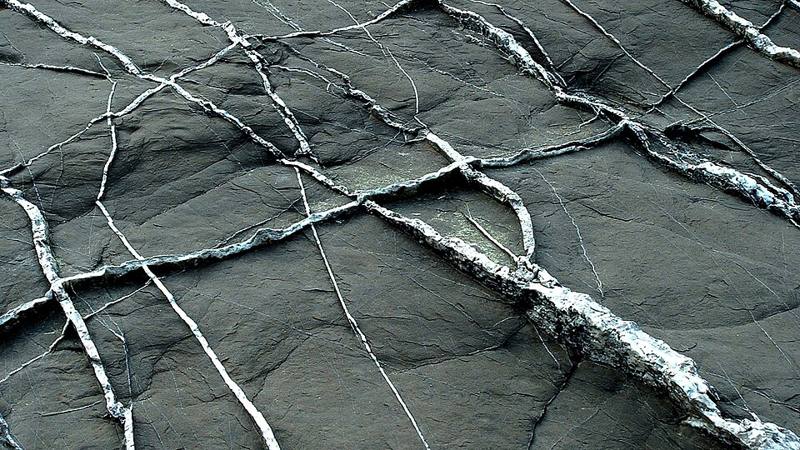 BasicsHow gold deposits form in the EarthGold is spread thinly through the crust. Mineable deposits form where hot fluids, volcanoes or rivers concentrate it, in veins, ancient conglomerates and stream gravels.
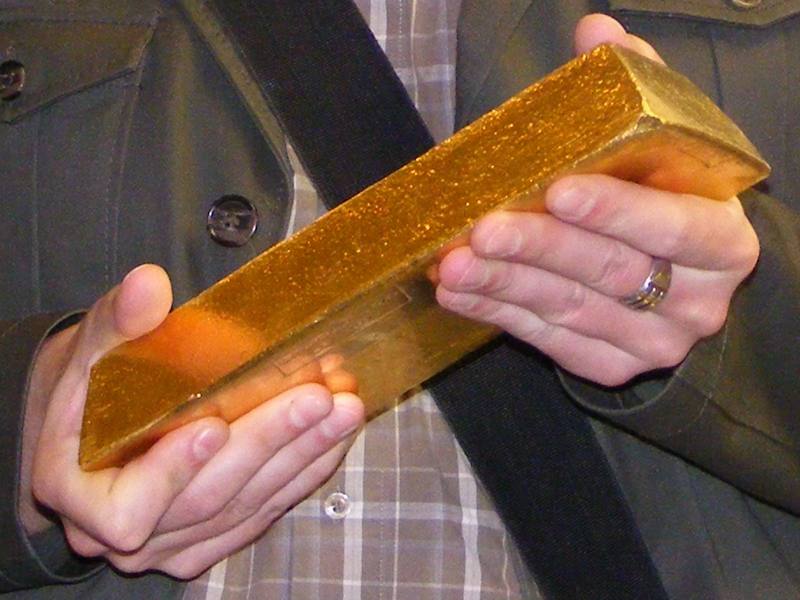 BasicsHow much gold exists?All the gold ever mined is a little over 200,000 tonnes, about a 22-meter cube. Here is where it sits today and how much more is still in the ground.
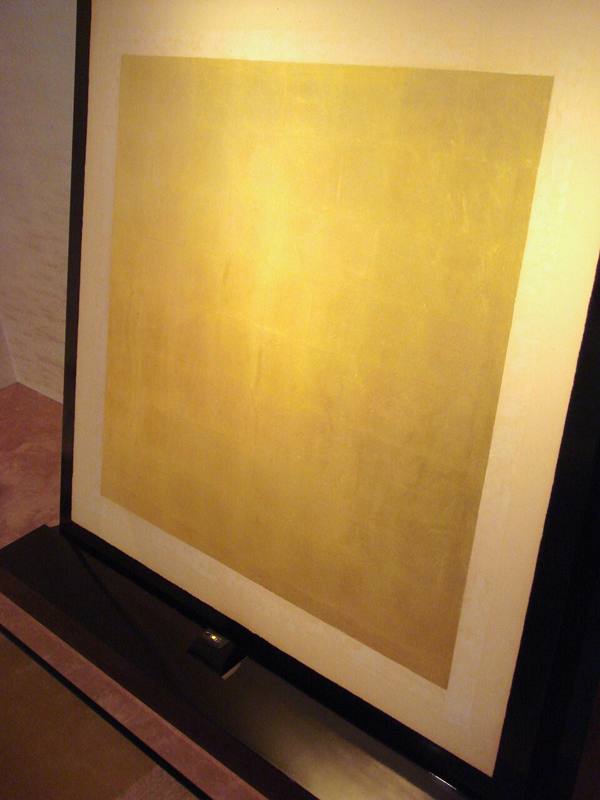 BasicsThe properties of goldGold is dense, soft, extremely malleable, an excellent conductor and almost perfectly corrosion resistant. These properties explain nearly every way people use it.
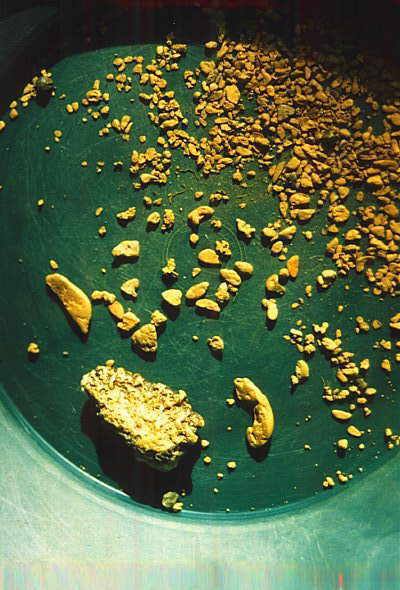 BasicsWhat is gold?Gold is chemical element 79, a dense, soft, yellow metal that stays shiny for thousands of years. Here is what it is made of and why people value it.
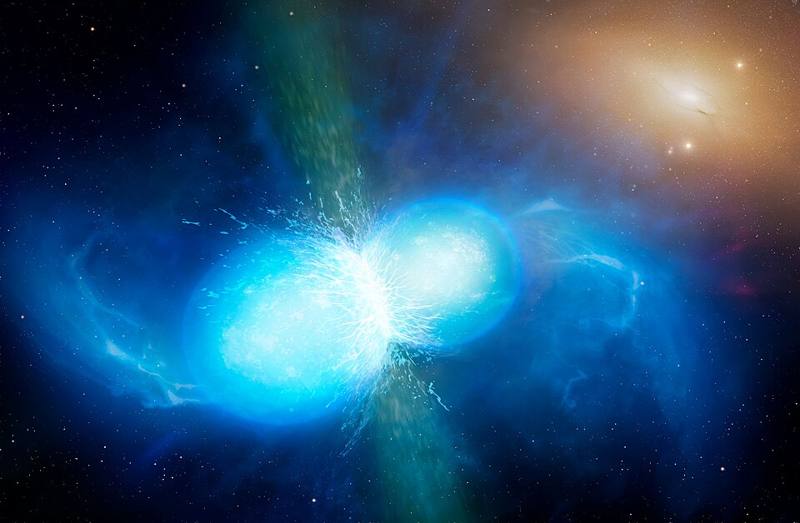 BasicsWhere gold comes from, from stars to your ringGold was not made on Earth. It was forged in violent cosmic events such as colliding neutron stars, then delivered to our planet and concentrated by geology.
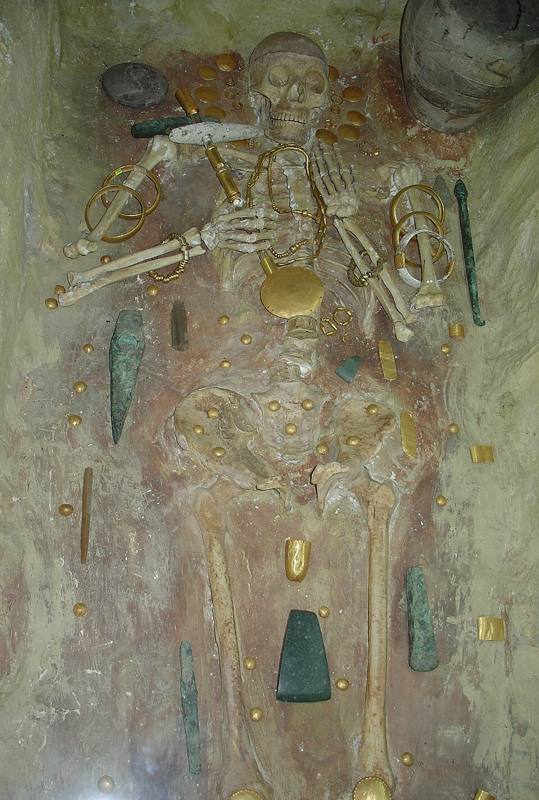 BasicsWhy gold does not rust or tarnishGold stays shiny because its atoms hold tightly to their electrons and refuse to bond with oxygen. Here is the chemistry, and what can still discolor gold jewelry.