The properties of gold
Gold is dense, soft, extremely malleable, an excellent conductor and almost perfectly corrosion resistant. These properties explain nearly every way people use it.
Heavy for its size
Gold has a density of about 19.3 grams per cubic centimeter. Water is 1, iron is about 7.9 and lead is about 11.3. So gold is roughly 70 percent heavier than lead for the same size. A one troy ounce coin of pure gold is smaller than most people expect, close to the diameter of a US quarter but thicker.
Only a handful of metals are denser, including platinum, iridium and osmium. Tungsten is almost exactly as dense as gold (about 19.25), which is why counterfeiters sometimes hide tungsten inside fake bars. See how to spot fake gold.
The most malleable metal
Malleability is how far a material can be hammered or rolled without cracking. Gold is the most malleable metal known. Goldbeaters can hammer it into gold leaf around 0.1 micrometers thick, only a few hundred atoms deep. At that thickness light passes through, and a sheet held up to a lamp glows green.
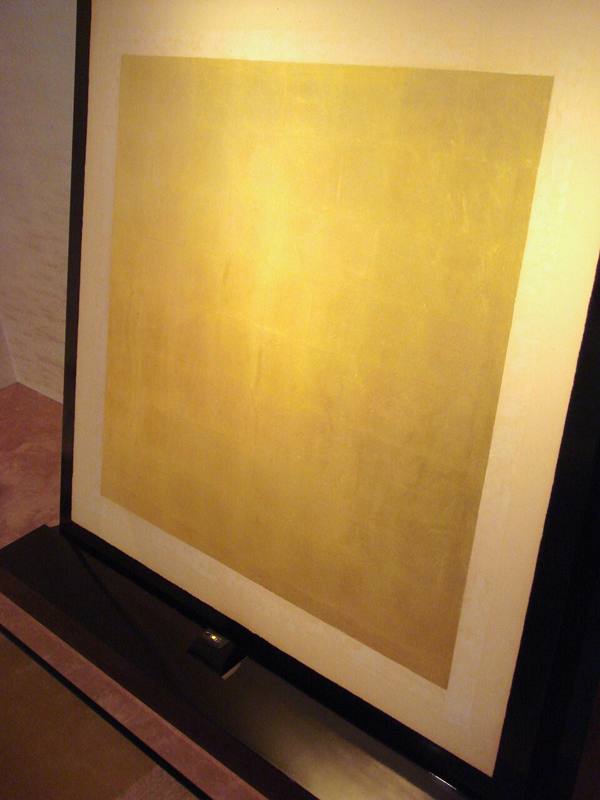
A single gram of gold can be beaten into a sheet of roughly one square meter. That is why a small amount of gold can cover a dome or a picture frame, a craft explained in gold leaf and gilding.
Very ductile
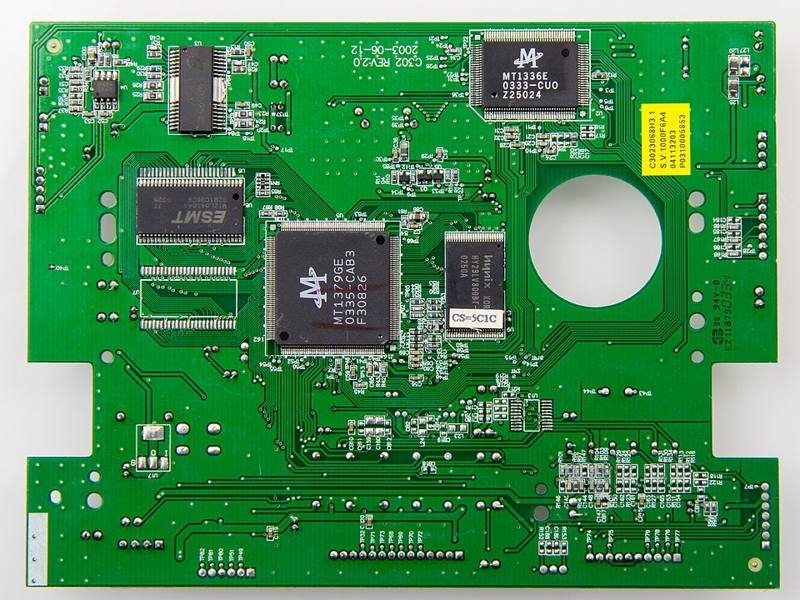
Ductility is how well a metal can be stretched into wire. Gold is extremely ductile, so it can be drawn into wires far thinner than a human hair. The electronics industry has used ultra-thin gold bonding wire to connect computer chips to their packages for decades.
Soft
Pure gold is soft, about 2.5 to 3 on the Mohs hardness scale, similar to a fingernail or a copper coin. You can dent pure gold with your teeth, which is where the old movie habit of biting coins comes from. This softness is the reason most jewelry is an alloy: gold mixed with silver, copper, zinc or other metals to make it harder (see karats explained).
A top conductor
Gold conducts electricity and heat very well. Silver is the best electrical conductor and copper is second, with gold third. But silver and copper both tarnish, and a tarnish layer increases electrical resistance at a contact point. Gold stays clean, so a thin gold coating on a connector keeps working for years. More in gold in electronics.
Reflects infrared
A thin gold film reflects about 98 to 99 percent of infrared light. That makes gold coatings ideal for telescope mirrors that observe in infrared, for astronaut visors and for heat shields. See gold in space.
Melting and boiling
Gold melts at about 1,064 C (1,948 F) and boils at roughly 2,900 C or more. That melting point is low enough for ancient metalworkers to reach with charcoal furnaces and bellows, which is one reason gold working is so old. Once molten, gold can be cast into bars, coins or jewelry, and re-melted again and again without being used up.
Chemically quiet
Gold does not react with oxygen, even when heated, and most single acids do not attack it. It does dissolve in aqua regia (a mix of nitric and hydrochloric acids), in cyanide solutions when oxygen is present, and it forms an alloy with mercury. Miners use the last two facts to extract gold from ore, as explained in cyanide and heap leaching.
Properties side by side
| Property | Gold | Silver | Copper |
|---|---|---|---|
| Density (g/cm3) | about 19.3 | about 10.5 | about 8.96 |
| Melting point | about 1,064 C | about 962 C | about 1,085 C |
| Tarnishes in air? | No | Yes (sulfides) | Yes (oxides) |
| Electrical conductivity rank | 3rd | 1st | 2nd |
These numbers are the reason gold is valued for both beauty and engineering. For the chemistry behind its shine, read why gold does not rust.