Gold in electronics
Gold conducts well, never corrodes and can be drawn into ultra-thin wire, which is why it sits inside nearly every phone and computer. Here is where it is used, how much there is and how it is recovered.
Why electronics need gold
Gold is not the best electrical conductor; silver and copper both conduct better. What makes gold special is that it conducts well and never tarnishes or corrodes under normal conditions. Copper and silver form oxide or sulfide layers that can interfere with a connection over time. A gold surface stays clean for decades. See why gold does not rust.
Gold is also extremely malleable and ductile, so it can be drawn into very fine wire and spread into very thin coatings. That means only tiny amounts are needed. See properties of gold.
Where gold hides in your devices
| Part | What gold does |
|---|---|
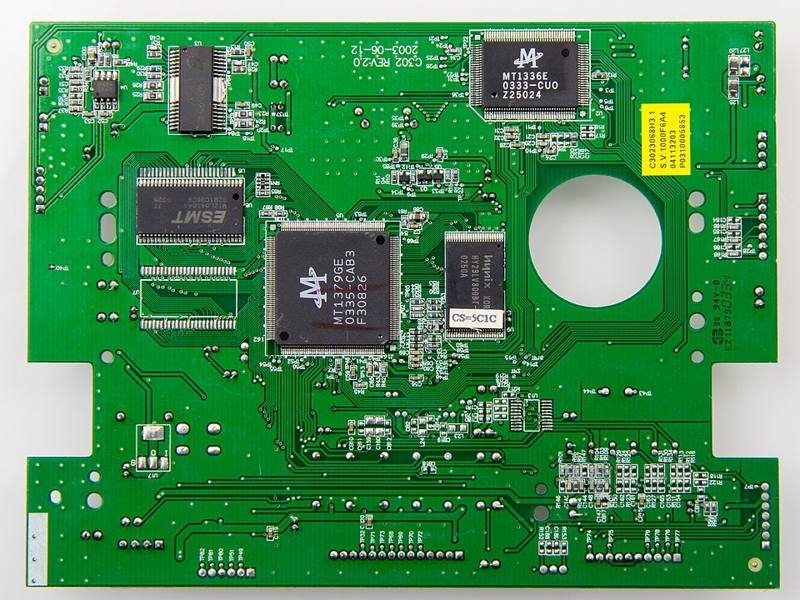
| Connector contacts and pins | Thin gold plating keeps connections reliable through repeated plugging |
| Edge connectors on memory and expansion cards | The gold "fingers" that slot into a motherboard |
| Bonding wire inside chips | Ultra-fine wires connecting a silicon chip to its package |
| Circuit board pads | Gold finishes protect solder pads before assembly |
| Switches and relays | Gold contacts resist wear and corrosion |
| SIM cards and some smart cards | Gold-plated contact pads |
Many chip makers have shifted some bonding wire from gold to copper to save money, but gold remains common in high-reliability products such as medical, automotive and aerospace electronics.
How much gold is in a phone?
Very little. Estimates for a typical smartphone are a small fraction of a gram, usually given in the range of a few tens of milligrams. That is far too little to be worth recovering at home. Spread across billions of devices, though, it adds up to a meaningful amount of gold every year.
Thin coatings, big savings
Gold plating on electronics is often measured in micrometers or less. A thin layer of gold is usually laid over a barrier layer of nickel, which stops the gold and the underlying copper from mixing. This combination gives a durable, corrosion-proof surface using a tiny amount of precious metal.
| Finish | Typical use |
|---|---|
| Hard gold (gold alloyed with a little cobalt or nickel) | Connectors that are plugged in many times |
| Soft, pure gold | Wire bonding and fine contacts |
| ENIG (electroless nickel immersion gold) | Flat solderable finish on circuit boards |
E-waste and urban mining
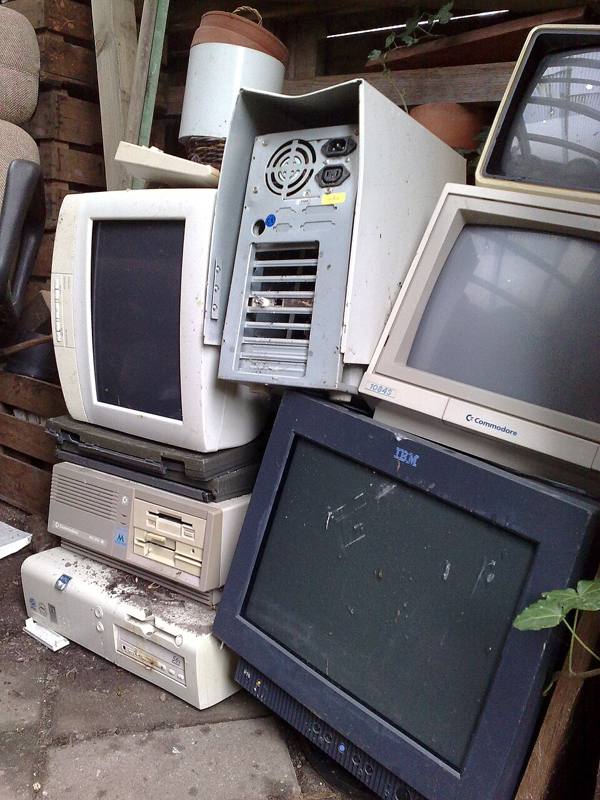
Old electronics, called e-waste, can contain far more gold per tonne than typical gold ore, especially circuit boards from phones and computers. Recovering it is sometimes called urban mining.
Responsible recyclers shred devices, separate metals and send precious-metal fractions to specialized refineries. In some places, e-waste is processed informally by burning boards or using harsh acids without protection, which is dangerous for workers and the environment.
Do not try to extract gold from electronics at home. The chemicals involved are hazardous, the yields are tiny and the fumes can be toxic. Use a certified e-waste recycler instead.
See recycling gold for how recovered gold returns to the market.
A small share of demand
Technology uses a modest share of the gold consumed each year compared with jewelry and investment, but it is one of the most important industrial uses. Gold's unique combination of properties means engineers keep choosing it where failure is not an option.
Gold beyond your phone
- Spacecraft and satellites use gold for coatings and connectors. See gold in space.
- Medical devices use gold in electrodes and implants. See gold in medicine and dentistry.
- High-end audio cables often use gold-plated plugs to resist corrosion, though the effect on sound quality is debated.