Learn / Mining and refining
Mining and refining
How gold gets out of the ground and into a bar, from panning, placer and hard-rock mining, cyanide leaching, smelting, refining and assaying.
Most gold is invisible to the eye, scattered as tiny grains through tonnes of rock. Here is how miners find it, free it, purify it and prove its purity, plus the environmental costs and why recycling matters.
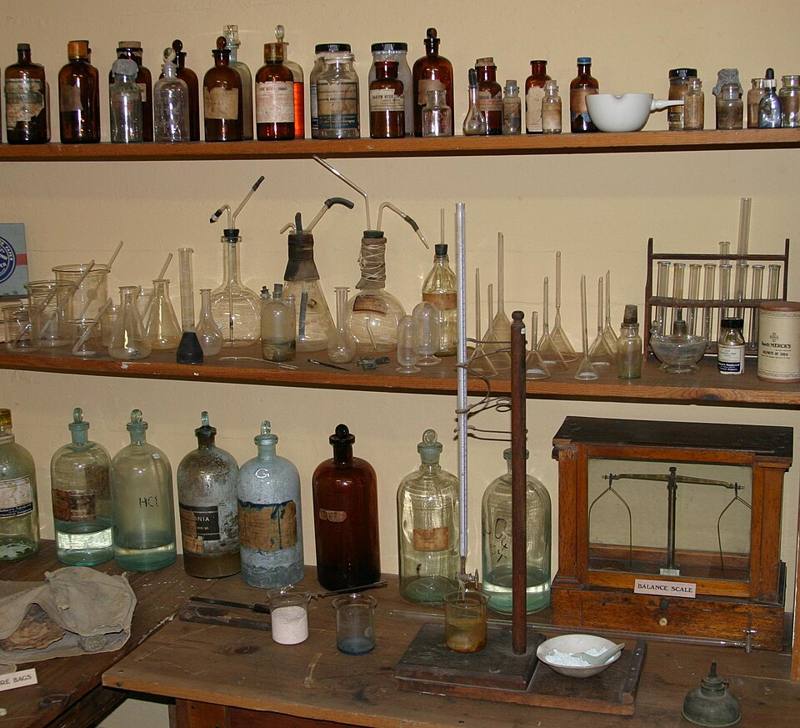 MiningAssaying, how gold purity is measuredAssaying means measuring exactly how much gold a sample contains. Fire assay is the classic reference method, alongside XRF, ICP and simple acid tests.
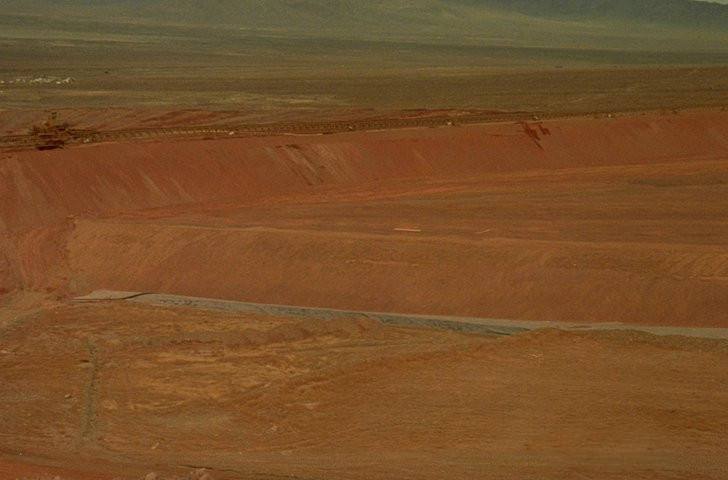 MiningCyanide leaching and heap leachingMost gold today is dissolved out of crushed rock with a weak cyanide solution, then recovered on activated carbon. Here is how tank and heap leaching work and how cyanide is managed.
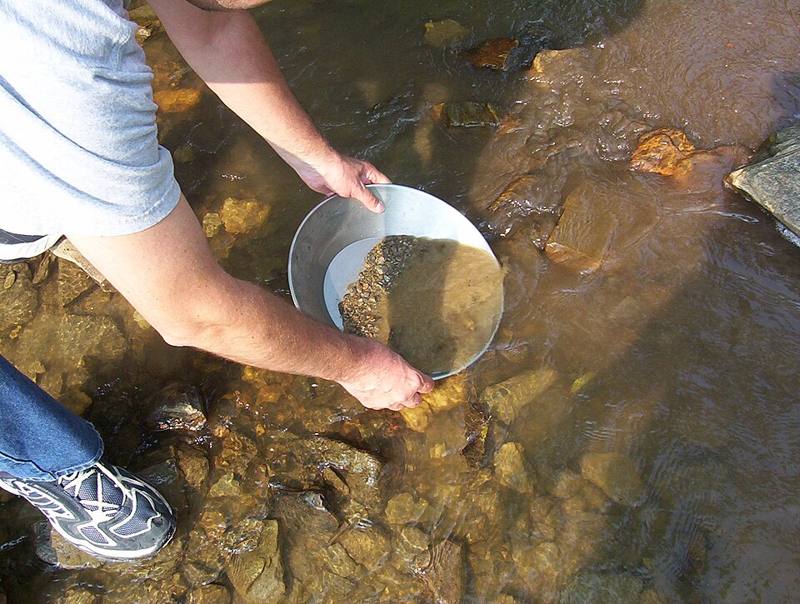
 MiningGold panning and placer miningPlacer mining recovers loose gold from sand and gravel using water and gravity. Here is how a gold pan, sluice box and dredge work, and how to try panning responsibly.
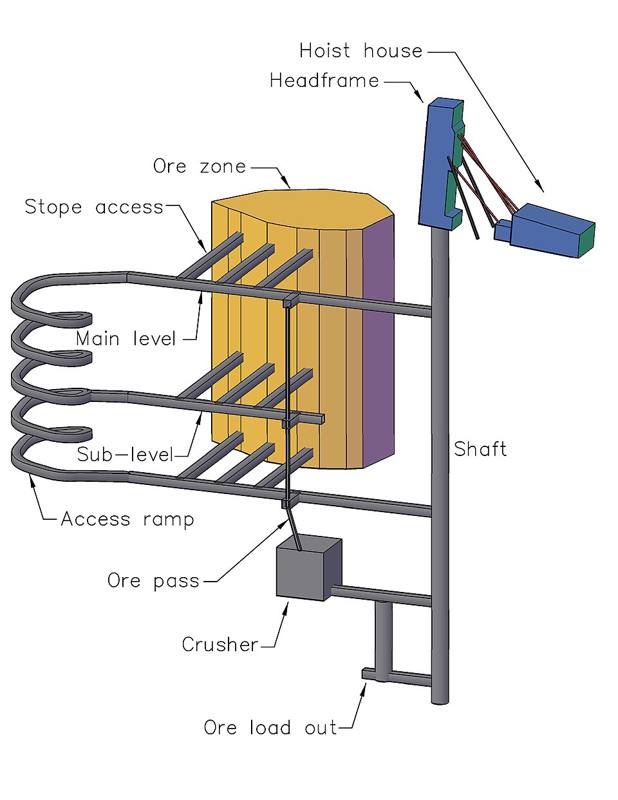 MiningHard-rock (underground) gold miningMost of the world's gold comes from solid rock. Underground mines reach it through shafts, ramps and tunnels, then drill, blast and haul ore to the surface for processing.
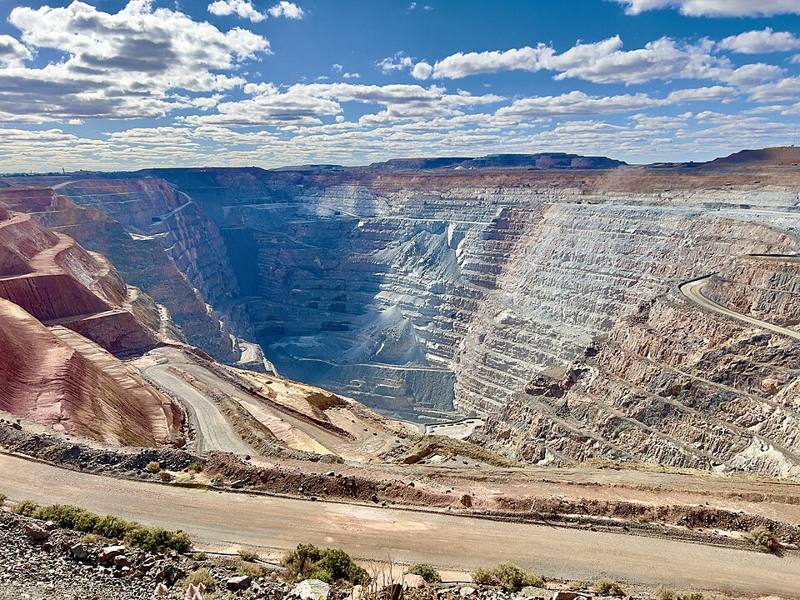 MiningOpen-pit gold miningOpen-pit mines dig huge stepped holes to reach large, low-grade gold deposits near the surface, moving millions of tonnes of rock to recover each tonne of gold.
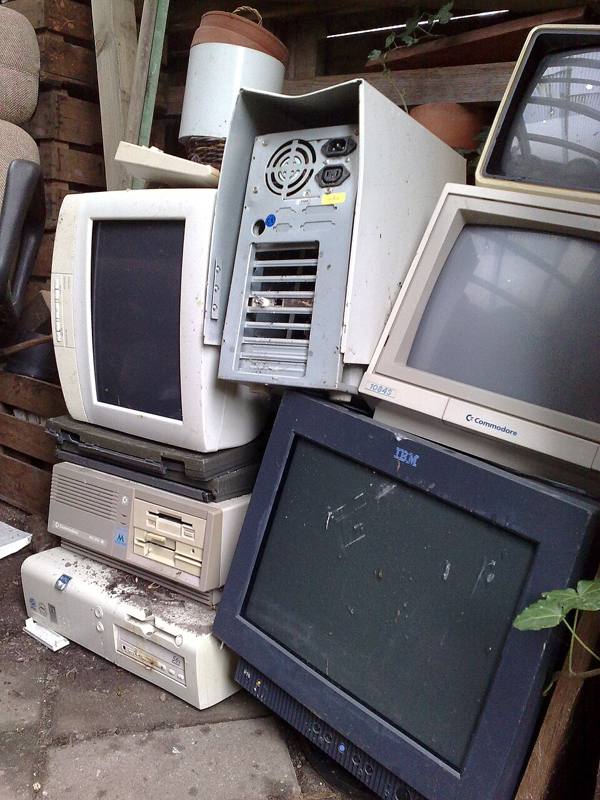 MiningRecycling gold, from old rings to circuit boardsGold can be melted and refined again and again without losing quality. Recycling supplies roughly a quarter or more of each year's gold, mostly from old jewelry.
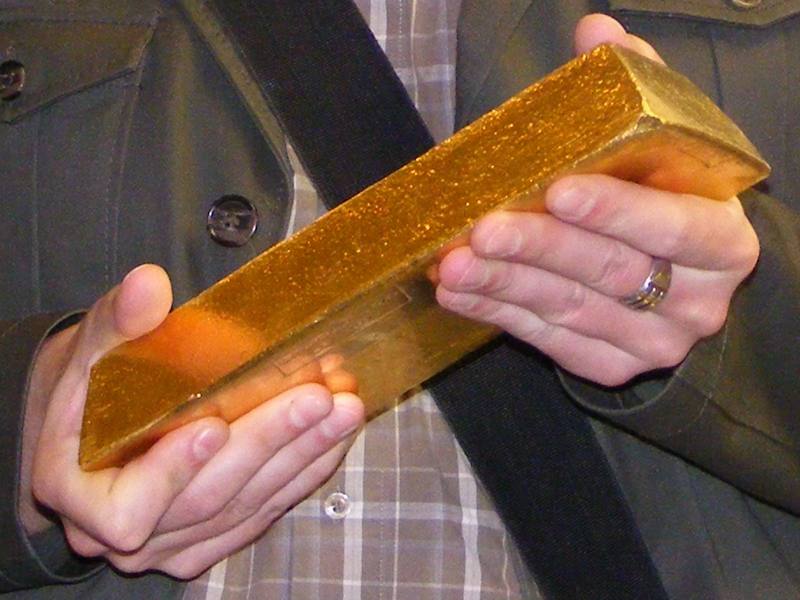 MiningSmelting and refining goldMines pour rough dore bars, and refineries turn them into 99.5 to 99.99 percent pure gold using chlorine gas, electrolysis or chemical methods. Here is the path from mine to bar.
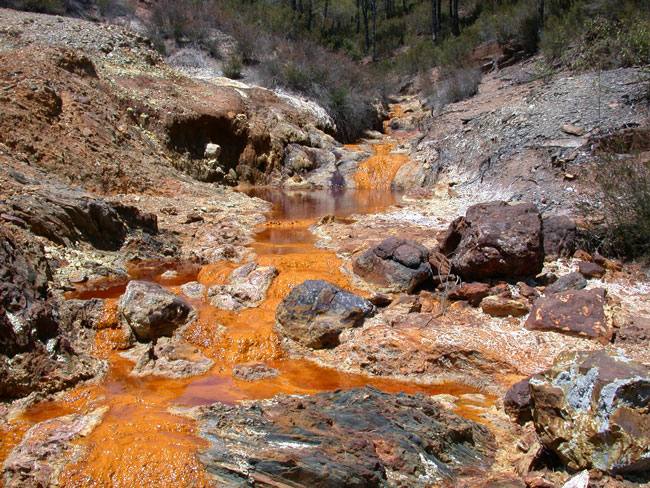 MiningThe environmental impact of gold miningGold mining moves huge amounts of rock and uses toxic chemicals. Here are the main impacts, from mercury and acid drainage to tailings dams, and how responsible mining reduces them.