Assaying, how gold purity is measured
Assaying means measuring exactly how much gold a sample contains. Fire assay is the classic reference method, alongside XRF, ICP and simple acid tests.
What an assay is
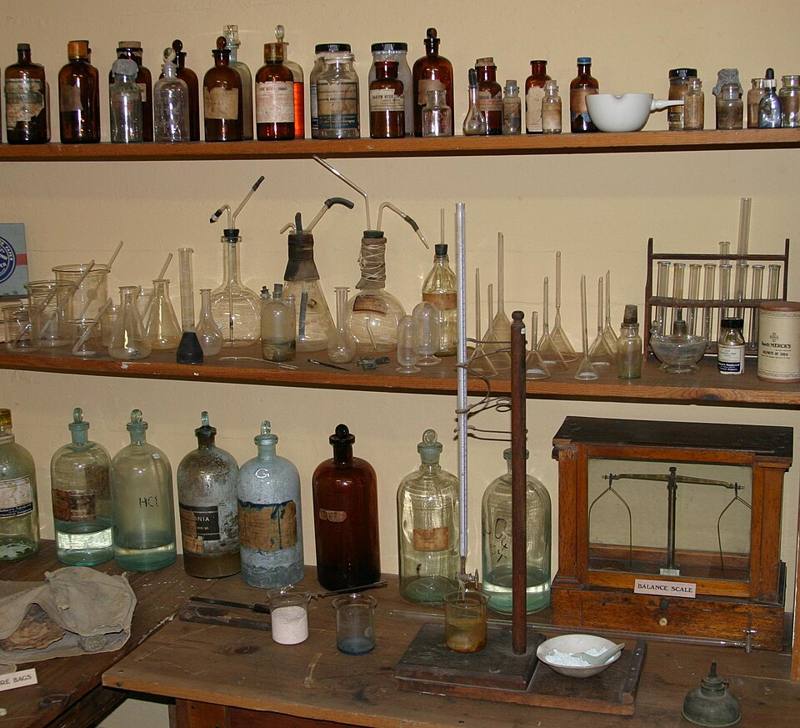
An assay is a test that measures how much of a metal a material contains. In gold, assays are used for two very different jobs:
- Ore assays measure tiny amounts of gold in rock samples from drilling, usually reported in grams per tonne (g/t). They decide where a mine digs and what a deposit is worth.
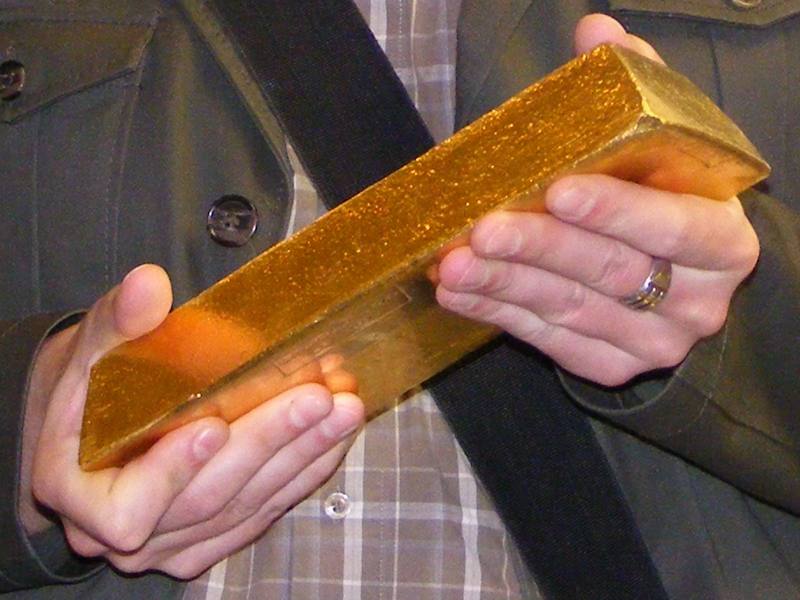
- Bullion and jewelry assays measure the purity of metal that is already mostly gold, reported in parts per thousand or as a percentage. They decide what a bar or ring is worth and whether it can carry a hallmark.
Fire assay, the gold standard of tests
Fire assay is centuries old and still the reference method for gold. For ore:
- A carefully weighed portion of crushed rock is mixed with fluxes and lead oxide (litharge) in a clay crucible.
- The mix is fused in a furnace at around 1,000 C or more. Lead forms and sinks, collecting the gold and silver as it falls, while the rest becomes slag.
- The lead button is placed in a cupel, a small porous cup, and heated again. The lead oxidizes and soaks into the cupel. This is cupellation.
- A tiny bead of gold and silver, the prill, remains.
- The prill is either weighed after dissolving the silver with nitric acid (a gravimetric finish), or dissolved and measured by instrument.
For bullion, assayers use a similar cupellation method on a precisely weighed piece of the gold, adding silver so the parting acid works properly. Experienced labs can measure fine gold to within a fraction of a part per thousand.
Instrumental methods
| Method | How it works | Typical use |
|---|---|---|
| XRF (X-ray fluorescence) | X-rays make atoms emit characteristic X-rays, revealing surface composition | Fast, non-destructive checks of jewelry and coins |
| ICP-OES and ICP-MS | Dissolved sample sprayed into a plasma; light or mass reveals elements | Trace impurities in high-purity gold, ore samples |
| Atomic absorption (AAS) | Measures light absorbed by vaporized metal atoms | Common finish for ore assays |
| Spark OES | An electric spark excites a solid sample | Fast refinery control |
XRF is popular at dealers and pawn shops because it is quick and does not damage the item. Its limitation is that it reads mainly the surface. A gold-plated tungsten bar can read as pure gold. See how to spot fake gold.
The touchstone and acid test
For centuries, jewelers have used a touchstone, a fine-grained black stone. They rub the item to leave a streak, then rub reference needles of known karat beside it and apply acids of set strengths. If the streak dissolves under an acid that a 14K reference streak survives, the item is below 14K. The method gives a quick estimate, but it only tests the surface and can miss heavy plating.
Assay offices and hallmarks
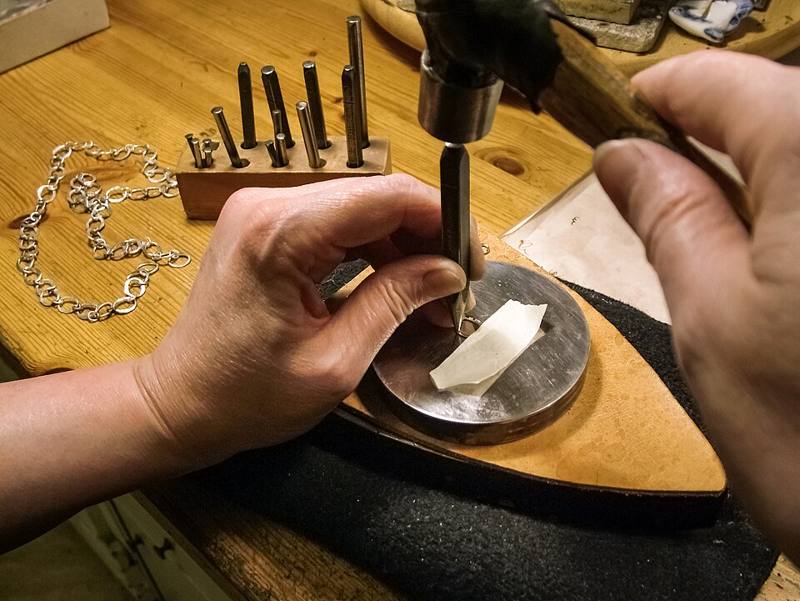
In many countries, independent assay offices test precious metal articles and stamp them with hallmarks. In the UK, the assay offices of London, Birmingham, Sheffield and Edinburgh test items and apply legal hallmarks, a system dating back to the 14th century in London. See hallmarks.
Ore grades in context
| Grade (grams per tonne) | What it means |
|---|---|
| Under 0.5 g/t | Very low grade; may suit large heap leach operations |
| About 1 g/t | Typical for many large open pits |
| 3 to 10 g/t | Typical range for many underground mines |
| Over 30 g/t | Very high grade; rare and highly valued |
Why assays matter
Mines are valued on assay results, refiners pay on assays, and buyers trust bars because of assays. Some of the most famous frauds in mining history involved "salted" samples, where gold was secretly added to drill samples to fake rich results. Modern rules require qualified professionals to oversee sampling, use certified reference materials and independent labs, and publish results under recognized reporting codes.