The California gold rush
A few flakes found at Sutter's Mill in January 1848 set off one of the largest migrations in history, created the forty-niners and changed California forever.
The discovery
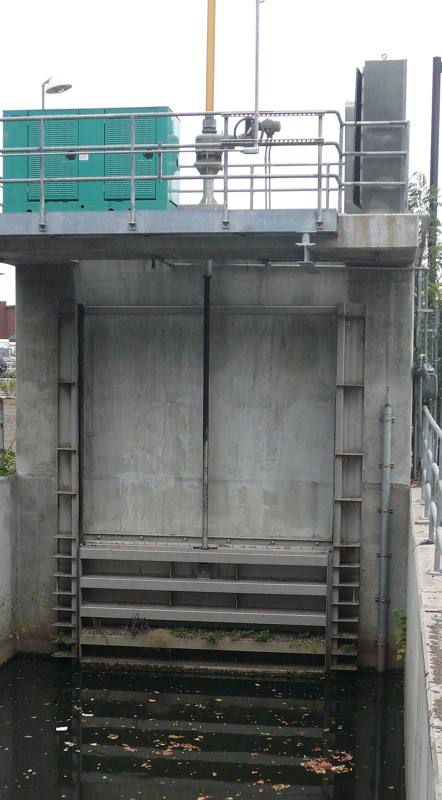
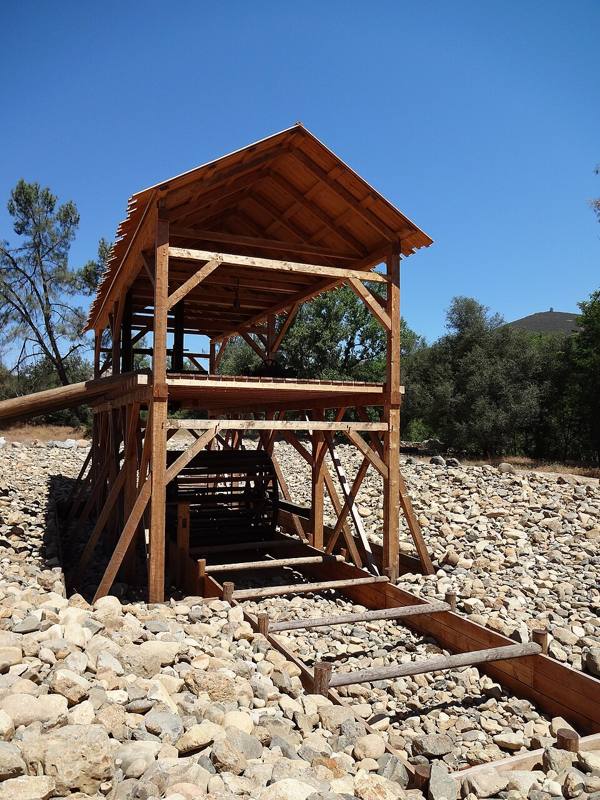
On January 24, 1848, a carpenter named James W. Marshall was building a water-powered sawmill for John Sutter on the South Fork of the American River at Coloma, in the foothills of the Sierra Nevada. While checking the mill's tailrace, the channel that carried water away, he noticed shiny flakes in the gravel. Tests, including hammering a flake and seeing that it flattened rather than shattering, convinced the men it was gold.
Sutter hoped to keep the find quiet, but news leaked within months. By the end of 1848 the story had spread along the Pacific coast and reached the eastern United States, where newspaper reports and official confirmation turned curiosity into a frenzy.
The forty-niners
The big wave arrived in 1849, which is why the gold seekers are known as forty-niners. People came from the eastern United States, Latin America, Europe, China and Australia. Estimates suggest roughly 300,000 people arrived in California over the course of the rush.
There were three main routes from the eastern US, each with its own dangers:
| Route | How it worked | Typical time |
|---|---|---|
| Overland | Wagon trails across plains, deserts and mountains | Several months |
| Panama | Ship to Panama, cross the isthmus by land, ship to San Francisco | Weeks to months |
| Cape Horn | Sail around the southern tip of South America | Five to eight months |
San Francisco grew from a small settlement into a busy city in just a few years. Ships were abandoned in its harbor as entire crews left for the goldfields.
How the gold was mined
At first, gold lay in stream gravels where anyone could reach it. Miners used:
- Pans, swirling gravel and water so heavy gold settled in the bottom
- Rockers (cradles), wooden boxes rocked back and forth to wash more gravel
- Long toms and sluices, long troughs with riffles that caught gold as water carried gravel through
These methods are explained in panning and placer mining.
As easy surface gold ran out, mining became industrial. Companies built dams and flumes to divert rivers. Hydraulic mining, invented in California in the early 1850s, blasted entire hillsides with high-pressure water jets. It recovered huge amounts of gold but sent vast quantities of gravel and mud downstream, burying farmland and choking rivers. A federal court ruling in 1884 in the case known as Woodruff v. North Bloomfield effectively stopped hydraulic mining that dumped debris into rivers, one of the earliest major environmental court decisions in the United States. Hard-rock mines dug into quartz veins in the Mother Lode belt continued for decades.
Who got rich
Some early miners found fortunes in days. Most forty-niners made modest sums or lost money, because prices for food, tools and lodging in the goldfields were extremely high. Many of the lasting fortunes went to merchants, transport operators and suppliers who sold goods to miners.
The human cost
The rush had severe consequences for California's Native peoples, whose population fell sharply in this period because of violence, disease, displacement and loss of land and food sources. Foreign miners, especially Chinese and Latin American miners, faced discriminatory taxes and harassment. Historians today treat these impacts as a central part of the story.
Lasting effects
- California's population and economy grew extremely fast, and it became a US state in 1850.
- San Francisco became a major port and financial center.
- The rush encouraged later rushes in Colorado, Nevada, Australia, British Columbia and the Klondike.
- The phrase "Gold Rush" entered languages around the world.
California's official state nickname is "The Golden State", and the state mineral is native gold.
Visit today
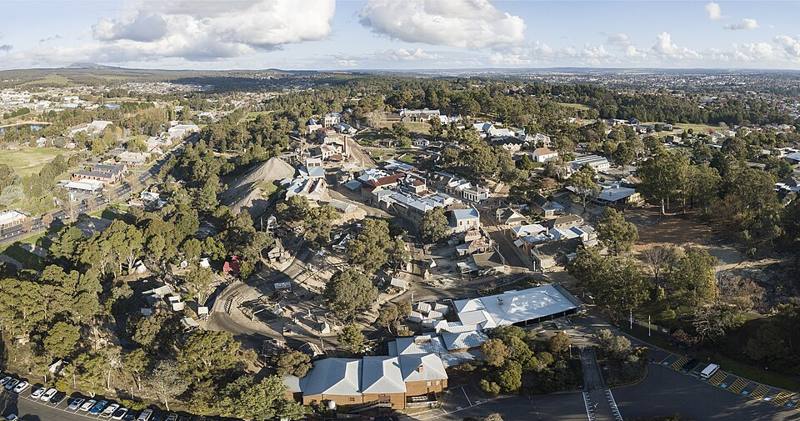
Marshall Gold Discovery State Historic Park at Coloma preserves the discovery site, with a replica of Sutter's Mill and recreational panning. Continue to the next great rush, the Klondike.