The Australian gold rushes
From 1851, gold finds in New South Wales and Victoria drew people from around the world, multiplied Victoria's population and produced the biggest nuggets ever found.
From California to Bathurst
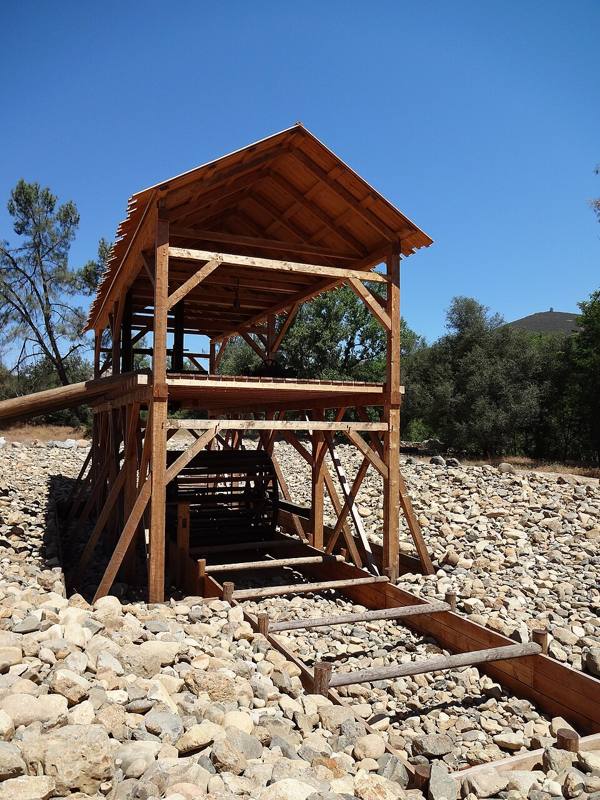
Edward Hargraves had joined the California gold rush and noticed that the gold country there looked a lot like the hills near Bathurst in New South Wales, where he had lived. Back in Australia, he and local companions found gold at a creek near Bathurst in February 1851. He named the place Ophir. When the find was announced that May, thousands rushed to the area.
Victoria strikes it richer
Leaders in the colony of Victoria worried that their workers would leave for New South Wales, so a reward was offered for gold found closer to Melbourne. Within months in 1851, major finds were made at places including Clunes, Ballarat, Castlemaine and Bendigo. These goldfields proved to be some of the richest alluvial (placer) fields in the world.
Victoria's population rose from roughly 77,000 in 1851 to around 540,000 by 1861. Melbourne grew into one of the richest cities in the world in the following decades, and for a period in the 1850s Victoria produced a large share of the world's gold.
Life on the goldfields
Diggers came from Britain and Ireland, continental Europe, North America and China. Miners worked:
- Shallow alluvial gold in creek beds, with pans, cradles and sluices
- Deep leads, ancient buried riverbeds reached by shafts sunk through basalt and clay
- Quartz reefs, which became the basis of long-lived company mines in places such as Bendigo
Governments required miners to buy a monthly license, which was expensive and unpopular, and the system was later reformed. Chinese miners formed a large community on the goldfields and faced discriminatory taxes and hostility, a part of the history that museums now present openly.
The giant nuggets
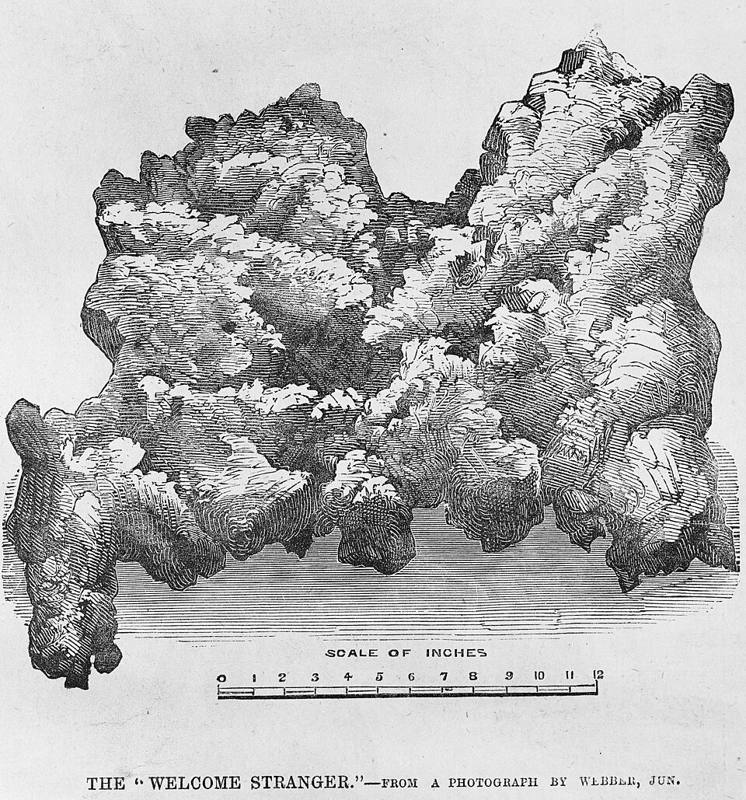
Australia's goldfields produced the largest nuggets ever recorded. The most famous, the Welcome Stranger, was found near Moliagul in Victoria in 1869, just below the surface, by miners John Deason and Richard Oates. It held about 71 kilograms of gold after cleaning. Read the full story in the largest gold nuggets.
Western Australia
A second wave of rushes came in the 1890s in the dry interior of Western Australia. Arthur Bayley and William Ford found gold at Coolgardie in 1892, and in 1893 Paddy Hannan and companions found gold at what became Kalgoorlie. The rich veins around Kalgoorlie became known as the Golden Mile, one of the richest square miles of gold-bearing ground on Earth.
Water was so scarce that a pipeline more than 500 kilometers long was built from near Perth to the goldfields, completed in 1903, an engineering feat of its time. Kalgoorlie is still a major mining center, home to the huge open-pit mine known as the Super Pit (officially the Fimiston Open Pit). See open-pit mining.
Lasting effects
- Australia's population roughly tripled in the decade after 1851.
- Gold wealth funded grand buildings, railways and institutions in Melbourne, Ballarat and Bendigo.
- Gold helped turn the Australian colonies into a major economy and a destination for migrants from many countries.
- Modern Australia is consistently one of the world's top gold producers. See top producing countries.
Visit today
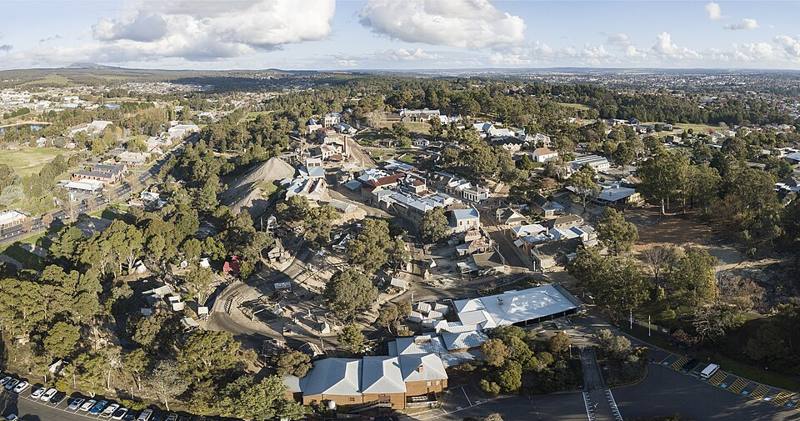
Sovereign Hill in Ballarat is an open-air museum that recreates an 1850s gold-mining town, with panning, costumed staff and demonstrations of gold pouring. Bendigo's Central Deborah Gold Mine offers underground tours.
Key dates
| Year | Event |
|---|---|
| 1851 | Gold found near Bathurst, NSW, then in Victoria |
| 1850s | Ballarat and Bendigo boom |
| 1869 | Welcome Stranger nugget found at Moliagul |
| 1892 | Coolgardie discovery |
| 1893 | Kalgoorlie discovery |
| 1903 | Goldfields water pipeline completed |